

Espresso drinks are a fun alternative to soda and a different way to enjoy coffee, offering a rich and creamy experience.
Some espresso drinks include lattes, Americanos, macchiatos, and cappuccinos, which I will focus on in this article.
Quick Answer: What is a cappuccino?
A cappuccino is an espresso drink made of espresso, hot milk, and milk foam, added in that order. You can make cappuccinos at home if you have an espresso machine. There are many variations of the drink that you can try, like making them iced, changing the type of milk, or adding flavor.
This article explains what a cappuccino is, how it differs from other espresso drinks, and the various variations of cappuccinos.
There's also a section full of frequently asked questions by cappuccino-making beginners and some resources to help you learn how to make cappuccinos.
Let's begin!

What is a cappuccino?
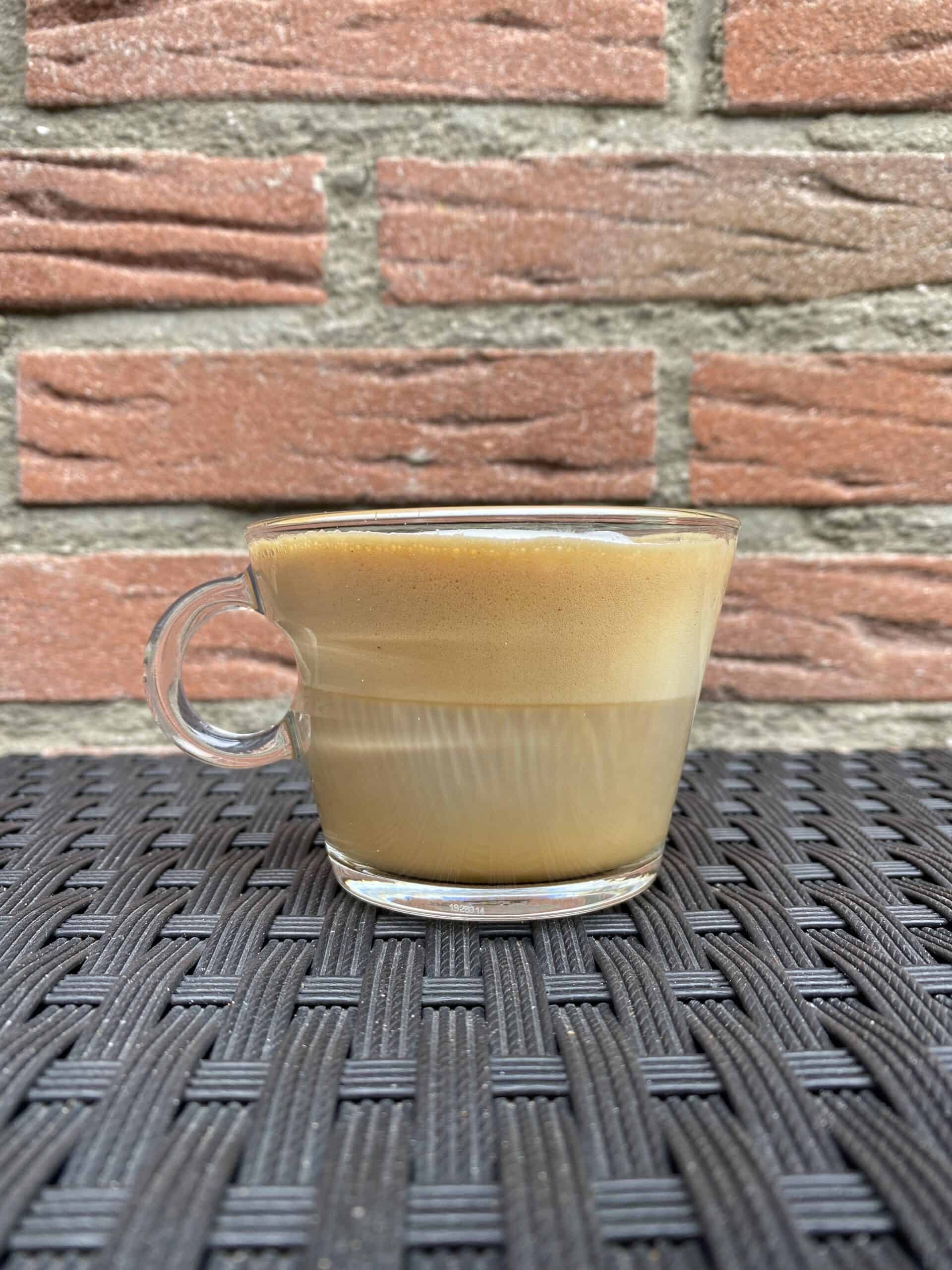
A cappuccino is an espresso-based drink made with espresso, steamed milk, and a layer of milk foam. While there are many different variations of the cappuccino, the most common kind is served hot.
They are sometimes topped with added flavor, such as cinnamon powder.
A cappuccino is an Italian coffee drink that is made from espresso, steamed milk, and foamed milk. It's usually served with equal parts espresso, steamed, and foamed milk.
When making an espresso drink, such as a cappuccino, the order in which you add the ingredients is crucial.
When you make a cappuccino, you add the espresso first, then the milk, and top it off with a thick layer of foam.
Depending on the size of the cappuccino you're making, you can use one or two shots of espresso.
Then, you steam your milk, usually whole or two percent milk, and add it to your mug on top of your espresso.
Then, add foam to the top of the drink.
The foam is often used to create latte art on top of a cappuccino or other espresso drinks, which requires some practice.
How do cappuccinos differ from other espresso drinks?
Cappuccinos are most similar to lattes. They both start with a shot of espresso.
Then, you add a layer of steamed milk, but the amount of milk varies between the two drinks. Cappuccinos have less steamed milk than lattes.
To make up for the different amounts of steamed milk, cappuccinos have a thicker layer of foam on top and are usually dusted with some cocoa powder or ground cinnamon:

If you're making the iced version of the drinks, add cold milk instead of steamed milk, using the same amount of espresso as in the hot version.
Another common type of espresso drink is the macchiato, which is traditionally an espresso marked with a small amount of milk or milk foam.
There's just a tiny amount of foam in a macchiato, unlike a cappuccino, where it makes up for 1/3 of the drink. If you're making an iced macchiato, use cold milk and espresso.

Finally, there's the Americano.
Instead of using milk in the drink, Americanos use water. In an Americano, the espresso is combined with the water.
For a regular Americano, use hot water; for a cold Americano, use cold water and pour it over ice.
So, while all of these drinks contain espresso, the amount of each ingredient determines their taste.
Cappuccinos have a dark, rich taste. They're not as creamy as lattes but a little stronger. But they're creamier and less strong than macchiatos and Americanos.
What are some variations of cappuccinos?
While the traditional cappuccino consists of espresso, steamed milk, and foam, there are other variations of cappuccinos that you can create.
One of these variations is the Freddo cappuccino, which is an iced drink made with two shots of espresso.
However, instead of simply pouring it into a glass, you shake the espresso before pouring it into your glass.
Once the shaken espresso has a foamy consistency, pour it over ice and top it with cold foam. You can learn more about the Freddo cappuccino here.

You can also make an iced version of the classic hot cappuccino. The difference between the hot and cold versions is the temperature of the milk.
For a hot cappuccino, you steam the milk, whereas for an iced cappuccino, you use cold milk, and it doesn't matter whether you foam it or not.
Then, for the iced version, you pour the espresso and the milk over ice. There's no need to top an iced cappuccino with foam as you do for a hot cappuccino.
You can, however, make some quick cold foam to add texture to your iced cappuccino.
Cold foam can be made at home using five different techniques. You can check out this article to learn more about it.
You can find a complete iced cappuccino recipe here.

Another way to change the standard cappuccino is by using a different type of milk in the drink.
Most coffee shops and recipes use two percent or whole milk in espresso drinks.
However, there are other types of milk that can be used in a cappuccino. If you prefer a lighter milk, try using low-fat or skim milk.
Or there's soy milk and almond milk if you want a vegan option for your cappuccino.
Another option is coconut milk for a richer flavor.
Finally, you can add some flavor like cinnamon, chocolate, vanilla, or hazelnut to your cappuccino.
There are options, such as powder or syrup, depending on how much flavor you prefer.
If you enjoy vanilla-flavored drinks, consider trying this homemade French vanilla cappuccino recipe.
It's made with vanilla syrup (which you can also make at home) to add some extra depth and flavor.

Cappuccino beginner FAQs
If you're new to making cappuccinos or even espresso drinks in general, you may have some questions when it comes to making these drinks.
In the following section, I've answered some common questions that people ask about cappuccinos.
There are also some products that'll help you get started making cappuccinos.
How big is a cappuccino?
A traditional cappuccino is often described as roughly equal parts espresso, steamed milk, and foam. A standard espresso shot is typically around one ounce (30 mL).
Because of this, a classic cappuccino is commonly served in a smaller 5- to 6-ounce (150 to 180 mL) cup, although sizes vary by café.
You can make a larger cappuccino by using a double shot of espresso and scaling up the milk and foam to match.

If you're making an iced cappuccino, ensure you have a larger cup, as you need room for the ice, as well as the espresso and milk.
If you're looking for a stylish cup for your cappuccinos, consider these BNUNWISH Espresso Coffee Mugs.
They're seven ounces (207.02 mL), so they're perfect for a single-serve cappuccino.
The double glass mug will also help your cappuccino stay warm longer, and it's comfortable to hold.
How do I make the perfect cappuccino?
To make the perfect cappuccino, first ensure you use the correct ratio of ingredients.
If you use too much espresso, it'll be too strong, and if you use too much milk or foam, it'll drown out the espresso flavor.
You also need to ensure that you make the espresso and steam the milk correctly.
If you don't brew your espresso shot correctly, the drink might be too bitter or taste burnt.

If you steam the milk for too long, it'll taste burnt, and it'll be difficult to pour the steamed milk properly into the espresso, which can disrupt your layering.
Finally, try to pour the milk in a way that looks aesthetically pleasing. Latte art is a big part of what baristas do, and they want to do it right.
If you want to learn latte art on your own, check out the book Latte Art by Skyler Breone.
There are more than ten designs that you'll learn in this book, plus other useful information like how to make foam and how to practice latte art without constantly making drinks.
Tip: Do you want to learn how to make a cappuccino in just five minutes? Check out this easy-to-make recipe!
Where do cappuccinos originate from?
The cappuccino is closely associated with Italy, and the name "cappuccino" is documented to have originated in the 19th century.
The name originates from a group of monks known as the Capuchin friars.
The color of cappuccinos is similar to the color of their robes, so the Italians derived the word "cappuccino" from the Capuchin friars.
The name cappuccino stuck as the drink became popular worldwide in English-speaking countries, and it has been the name of the drink ever since.
How does a cappuccino differ from coffee?
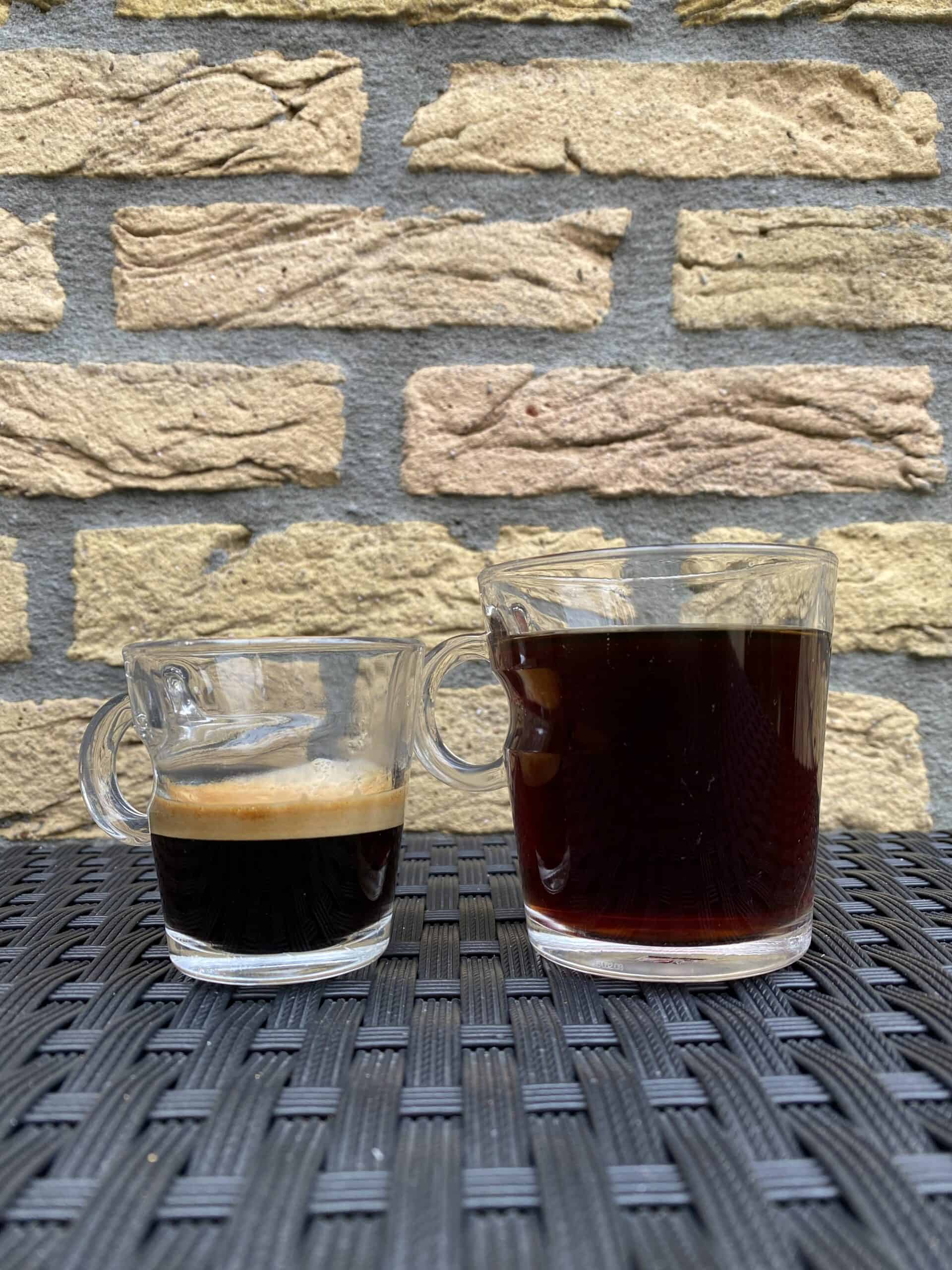
Espresso is a specialty kind of coffee that's stronger than standard coffee. The coffee beans used for espresso are significantly finer than those used to brew coffee.
You also need a specialized machine to make espresso.
If you compare a cup of coffee and a shot of espresso, the cup of coffee is much larger.
A standard shot of espresso is around one ounce, sometimes slightly larger, whereas a cup of coffee is eight ounces.
Even though it's much smaller, espresso is more concentrated in flavor.
For caffeine, a single shot is often less than an 8-ounce cup of brewed coffee, but it's more concentrated per ounce.
If you enjoy espresso and coffee equally, you may want to consider an espresso coffee maker combo machine.
The De'Longhi Espresso/Drip Coffee Machine is perfect for making both espresso and drip coffee.
There's also a milk frother attached to the machine that'll help you perfect your cappuccinos.
If you want more information about the differences between espresso and coffee, you can check out this article.
Resources you can use to make cappuccinos
If you want to start making your own cappuccinos at home or simply learn more about them, the resources in this section will be of help:
- Cappuccino & Espresso (Nitty Gritty Cookbooks). This book also has a variety of recipes that you can follow to make cappuccinos. There are also other drink recipes that you can make, including lattes, other espresso drinks, and cold drinks.
- If you're serious about making cappuccinos at home, you need to invest in an espresso machine. The JASSY Espresso Machine is a great starting point for beginners. There's a steam wand for steaming your milk for cappuccinos, and the machine is easy to clean between uses.
- SIKEMAY Milk Frothing Pitcher Jug. This frothing pitcher is great for steaming milk, and the included tools make it easy for you to try new latte art every time you make a cappuccino. The pitcher comes in three sizes: 12 ounces (354.88 mL), 20 ounces (591.47 mL), and 32 ounces (946.35 mL).
- Coffee Art. This final book will teach you how to make 60 designs in your cappuccinos. There are different styles of designs that you'll learn in this book, including free pouring, etching, stenciling, and sculpting. There are even 3-D animals you can make using cappuccino foam.
Final Thoughts
To make a cappuccino, you combine a shot of espresso, steamed milk, and milk foam.
If you change the order of the ingredients, you end up with a different espresso drink and a different taste, so it's important to make the drink in this order.
You can, however, change the milk you use, opting for cold milk instead of steamed, and add ice for a cold version of a cappuccino.
Alternatively, you can add powder or syrup, such as cinnamon or chocolate, to create a flavored cappuccino.
With espresso coffee as the base, it's a classic drink to add to your at-home coffee lineup!
More espresso recipes
Do you like drinking espresso? Then you can check out some more amazing espresso-based drinks below:
- Easy Caramel Macchiato Recipe With Homemade Caramel Sauce
- Café Bombon: What Is It and How to Make This Espresso Drink?
- Americano With Milk: What Is It and Should You Try It?
Learn more about coffee
Getting to know cappuccinos? Here are a few more I'd recommend reading:


