

Have you ever made a latte at home and mostly tasted warm milk instead of coffee?
In this article, I'll show you the best coffee beans for making lattes at home, without using any flavored coffee.
For this guide, I tested beans from various origins and roast levels, pulled numerous espresso shots, and noted which ones produced the best creamy, balanced lattes.
It took quite some time (and many cups), but it was worth it!
Best Coffee Beans for Latte Shortlist
Here's my shortlist of the top coffee beans for latte in 2026:
- Best for Fruity Lattes: Organic Ethiopian Yirgacheffe - Fruity and winey with blackcurrant and chocolate notes, this Ethiopian coffee makes bright, complex lattes for drinkers who like a more nuanced cup.
- Best for Smooth, Low-Acid Lattes: Organic Peru Coffee - Low-acid and creamy with gentle chocolate and vanilla undertones, this Peruvian medium roast is great for smooth, mellow lattes with less edge.
- Best for Bold, Smoky Lattes: Dark Brazil Cerrado - Smoky and strong with a medium body, this Brazilian dark roast delivers bold espresso flavors that stand up in milk-heavy lattes.
- Best for Dessert-Like Lattes: Organic Sumatra Mandheling - Full-bodied and very low in acidity with chestnut, chocolate, and caramel notes, this Sumatra Mandheling works well for rich, dessert-like lattes.
- Best for Delicate, Balanced Lattes: Royal Kona 100% Kona - Clean and medium-bodied with gentle sweetness and low acidity, this 100% Kona coffee is ideal for drinkers who want an elegant, balanced latte.
With the right beans, a simple brewer, and decent milk foam, you can craft café-style lattes in the comfort of your own kitchen.
Let's go more in-depth now!

How do you choose the best coffee beans for a latte at home?
The best coffee beans for lattes are typically medium or dark roast, characterized by a mild acidity and a taste profile that resembles chocolate, nuts, caramel, or gentle spice notes.
These flavors stay clear when you add steamed milk.
When you pick coffee beans for lattes, keep this checklist in mind:
- Pick medium to dark roasts for enough intensity in milk.
- Prefer low to medium acidity for a soft, non-sour latte.
- Look for notes of chocolate, nuts, caramel, spice, or mild fruit.
- Choose medium to full body for a creamy texture.
- Use freshly roasted, freshly ground beans for a better aroma.
- Choose single-origin beans for clear flavors, blends for balance.
What are the 5 best coffee beans for lattes?
My five favorite types of beans for lattes are:
- Ethiopian
- Peruvian
- Brazilian
- Sumatra Mandheling (Indonesia)
- Kona (Hawaii)
Each one offers a distinct latte: from fruity and bright to chocolatey and rich.
Here is a quick overview:
| Origin | Roast I prefer for lattes | Acidity | Main flavors | Best if you... |
| Ethiopia | Medium | Medium | Berry, blackcurrant, light chocolate | Like fruity, aromatic lattes |
| Peru | Medium | Low | Sweet, creamy, chocolate, vanilla | Want gentle, low-acid milk drinks |
| Brazil | Medium-dark | Low | Chocolate, nuts, light smokiness | Enjoy classic, espresso-style lattes |
| Sumatra Mandheling | Dark | Very low | Dark chocolate, caramel, roasted nuts | Love heavy, earthy, rich lattes |
| Kona | Medium | Low | Clean, sweet, mild fruit, gentle chocolate | Prefer smooth, premium-tasting lattes |
Now, I will go through each origin in a bit more detail and share which drinker it best suits:
1. Are Ethiopian coffee beans good for lattes?
Ethiopian coffee beans are ideal for lattes if you prefer fruity, aromatic flavors over heavy, bitter coffee.
Many Ethiopian coffees have a winey blackcurrant flavor with hints of spice and chocolate. In a latte, this turns into a sweet, slightly fruity cup that still feels light.
Ethiopian beans typically have a clean, crisp finish with notes of berry and chocolate. That clarity works well if you like more complex flavors rather than just strong bitterness.
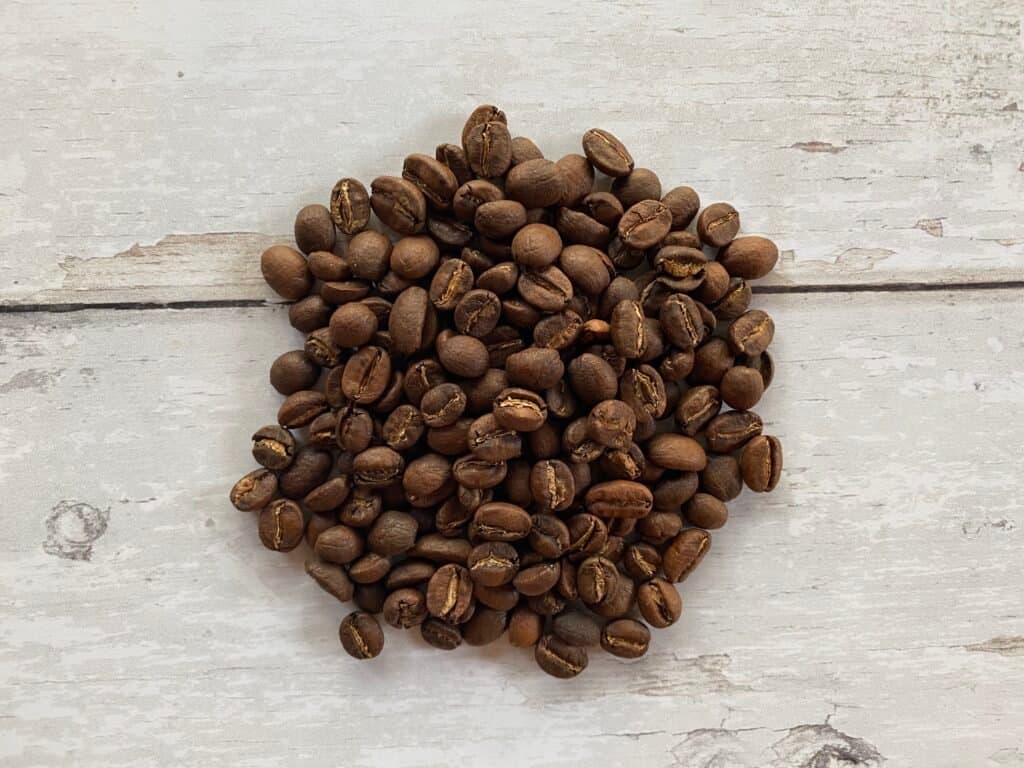
Ethiopian coffee often grows at a higher altitude and includes many wild varieties.
This offers a wide range of fruit-like flavors that remain noticeable even when paired with steamed milk on top.
I prefer using Ethiopian beans from Volcanica for lattes. They stay bright and fruity without becoming sour in milk.
If you're interested, you can get them here.

If you prefer a softer, creamier latte without much fruit, you might like Peruvian beans more.
2. Why are Peruvian coffee beans great for creamy lattes?
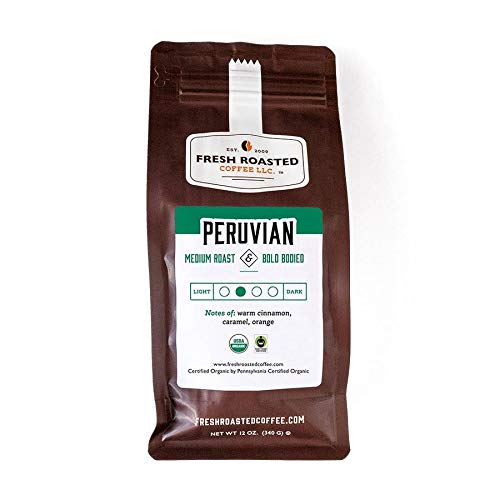
Peruvian coffee beans are ideal for lattes, offering a smooth, low-acid drink that feels creamy and sweet.
Many Peruvian coffees have a sweet and gentle taste, with notes of chocolate or vanilla and low acidity. Milk enhances this sweetness, creating a dessert-like latte without the need for flavored syrups.
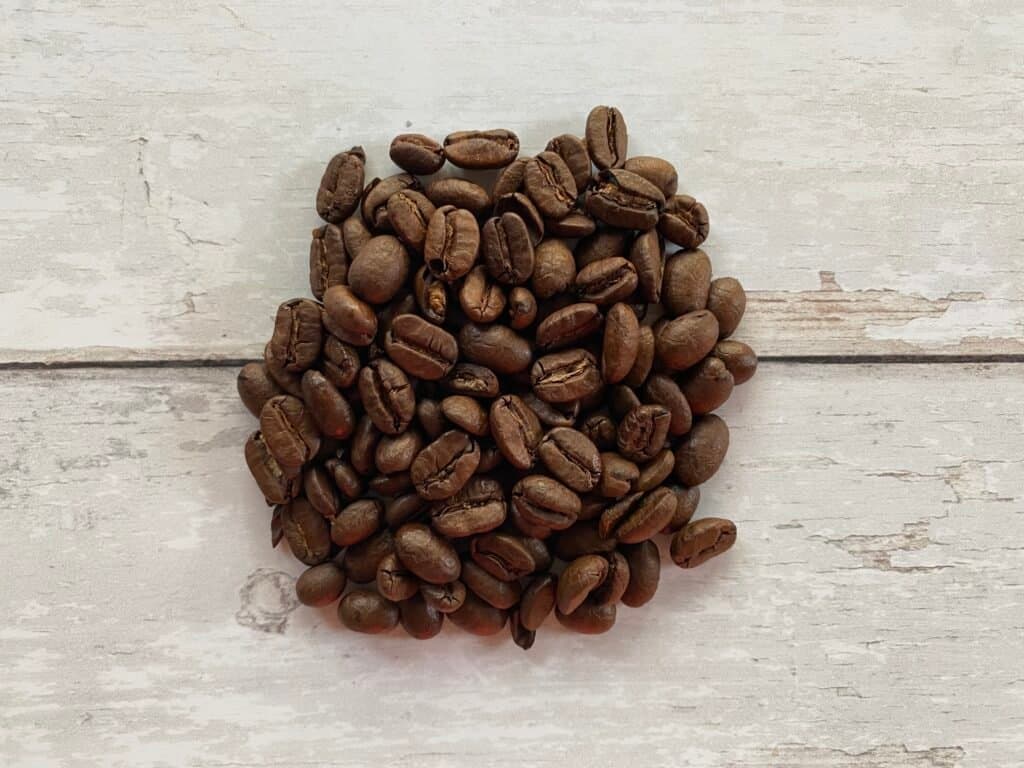
Peruvian beans usually have a mild body and low bitterness. Earthy tones keep the taste grounded, while the light sweetness makes them ideal for those who dislike sharp or sour coffees.
Compared to Colombian or Brazilian beans, Peruvian beans often have a lighter flavor but still provide a normal caffeine boost. They work well in bigger, milk-heavy lattes.
Peruvian coffee is one of my personal favorites for lattes at home. You can check an example here:
If you want a more "espresso bar" style latte with stronger coffee flavor, Brazilian beans are a good next step.
3. When should you use Brazilian coffee beans for lattes?
Use Brazilian coffee beans for lattes when you want a classic, chocolatey espresso taste with a mild body.

Brazilian coffee is often used in espresso blends as one of the best espresso beans for lattes.
It provides a solid base for lattes, with a strong, slightly smoky flavor and a mild to medium body that milk softens even more.
Depending on the roast, Brazilian beans can taste different:
- Medium roast. More nuts and natural sweetness
- Darker roast. More smokiness and bitter chocolate
Both work well in lattes; it depends on how bold you like your coffee.
Here is a Brazilian option I like for latte-style drinks:

If you're looking for something deeper and earthier with almost no acidity, consider Sumatra Mandheling next.
4. Who will enjoy Sumatra Mandheling coffee beans in lattes?
Sumatra Mandheling beans are ideal if you prefer a very low acidity, a heavy body, and dark, rich flavors in your latte.
This Indonesian coffee often features notes of dark chocolate, roasted chestnuts, and caramel. With milk, you get a thick, almost dessert-like latte.

Sumatra Mandheling is usually single-origin and naturally low in acidity.
Darker roasts work especially well here. They offer a bold, earthy latte with a lingering aftertaste, rather than a light, fruity drink.
If you'd like to try the beans I use at home, you can find them here.

If you prefer a smoother and cleaner cup and are willing to pay more for beans, Kona coffee might be the one for you to try.
5. Are Kona coffee beans worth it for lattes?
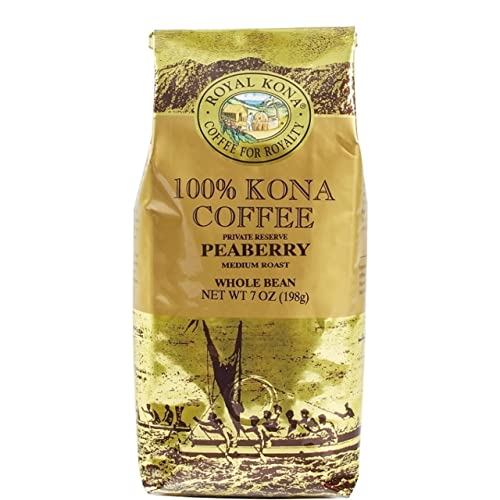
Kona coffee beans are worth it if you want a very smooth, clean latte and are willing to pay a premium price for your beans.
Kona coffee typically has a creamy texture with a medium body. It is not very acidic and does not overpower the milk, yet it still allows you to clearly taste the coffee.

Kona beans grow only in the Kona District on the Big Island of Hawaii. The volcanic soil and stable climate often produce a clean, sweet flavor with mild fruit and gentle chocolate notes.
Because Kona beans only grow in this small region, they are limited and often more expensive than other coffees. Many people appreciate them for their delicate flavor and rich aroma.
If you want to try a 100% Kona option, here is a great example:
Which coffee roast creates the best latte flavor?
Medium and dark roasts work best for lattes, as they retain enough flavor and body when mixed with milk.
Roast level mainly controls how bold the latte tastes:
- Medium roast. More origin flavor, lighter roast notes
- Dark roast. More roast flavor, more bitterness, thicker feel
Light roasts often taste bright and delicate in black coffee, but many of those flavors disappear when a lot of milk is added. The latte can end up tasting thin or slightly sour.
When comparing medium and dark roast beans, you notice distinct color differences:

Darker beans impart a more roasted, smoky character, while medium roasts retain more of the original flavor.
I have tried lattes with both and personally prefer dark roast, because I like a stronger coffee punch.
- If you enjoy bold coffee, go for a dark roast in your latte.
- If you prefer a softer and more balanced flavor, opt for a medium roast.
Once you know your roast level, it is time to talk about the actual coffee used in a latte.
What type of coffee makes a proper latte?
A classic latte uses espresso as the base. Coffee bars typically pull one or two espresso shots and then add steamed milk, along with a small layer of foam.
For a tasty espresso at home, high-quality beans and fresh grinding matter a lot.
Fresher beans usually mean a better crema, a stronger aroma, and a nicer sweetness in your latte.
If you have an espresso machine, you only need:
- Fresh beans
- A decent grinder
- A milk frother or steam wand
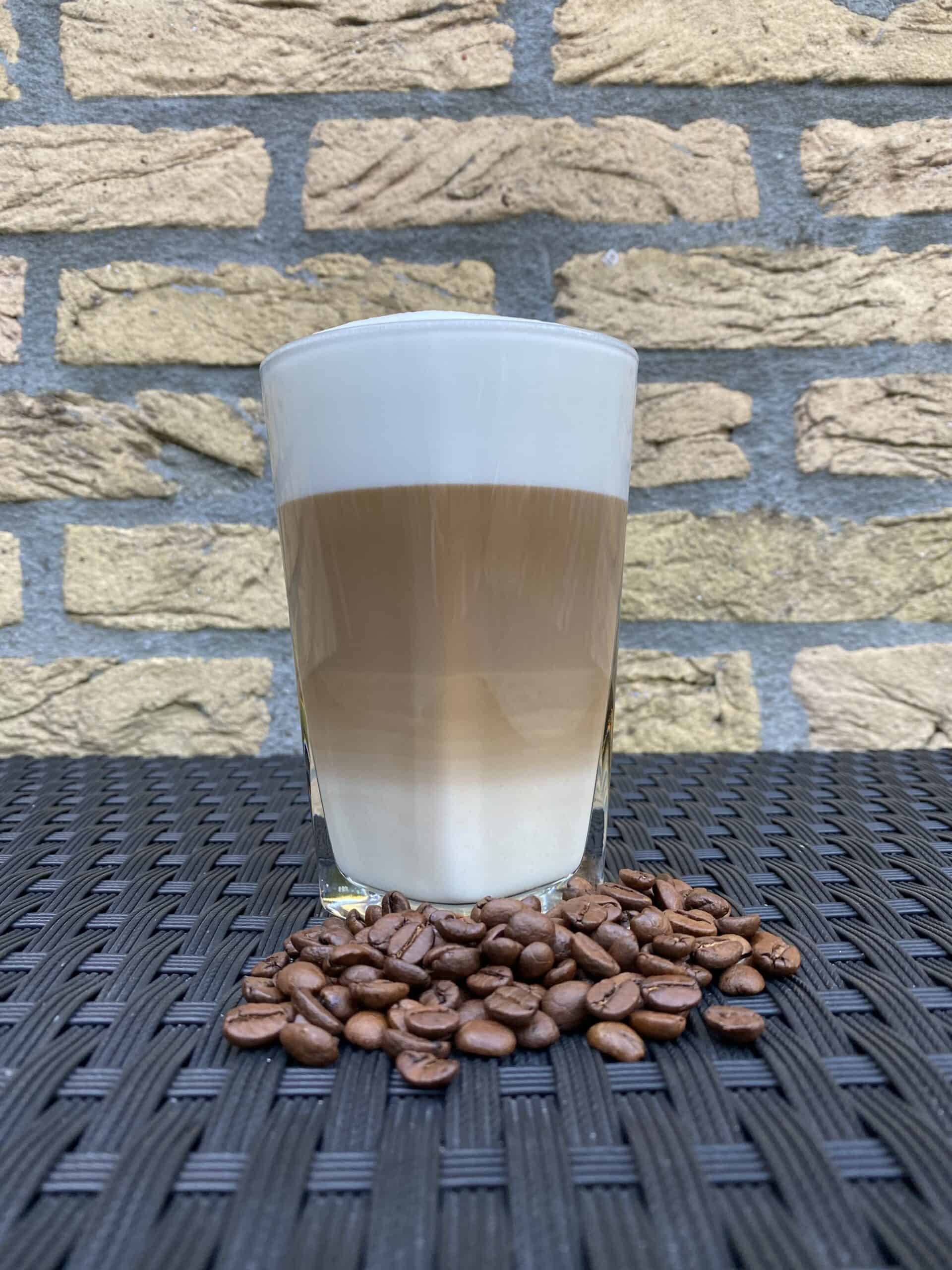
However, many people do not have a full espresso machine. That is completely fine; you can get very close with simpler gear.
Two good options are:
- Moka pot. Strong stovetop coffee, similar in strength to espresso
- AeroPress. Can brew a concentrated "espresso-style" shot with the right recipe
They do not produce true high-pressure espresso, but in a latte, they come close in terms of flavor and strength.
If you only have a regular coffee maker, there is still a way to make something very close to a latte.
How can you make a latte without an espresso machine?
Yes, you can make a latte with regular coffee.
To achieve this, double brewing your coffee is the best way to obtain the robust coffee flavor that espresso typically offers.
Double-brewed coffee is a stronger variant made by doubling the amount of ground coffee typically used, creating a more potent cup of coffee.

For more information on double brewing, check out this full double brewing guide here.
Although using brewed coffee as the coffee basis of a latte will not create a latte, you're making a coffee that will look and taste a lot like a Café au Lait.
A Café au Lait is equal parts brewed coffee and steamed milk; if you'd rather use brewed coffee than espresso, you can check out the recipe here.
Other great coffee beans to explore
If you are still undecided about which beans to use for lattes or you simply enjoy trying new coffees, there are many other coffee bean guides available.
Here are a few good starting points:
- Best Coffee Beans for Cappuccino
- Best Coffee Beans for Chemex
- Best Coffee Beans for Cold Brew
- Best Coffee Beans for Espresso
- Best Coffee Beans for French Press
Next steps: pick your latte beans and start brewing
Here is a simple way to move forward:
- Decide if you like fruity, chocolatey, or earthy flavors.
- Select a medium or dark roast according to your preference for coffee strength.
- Pick an origin that matches:
- Ethiopian, if you enjoy fruit and aroma
- Peruvian, if you want creamy sweetness and low acid
- Brazilian or Sumatra, if you like classic or earthy richness
- Kona, if you want a smooth, premium treat
- Match your beans with your brewing method (espresso machine, Moka pot, AeroPress, or strong brewed coffee).
If you are ready to make your first homemade latte, you can follow this detailed guide!
And if you'd like to learn more about brewing coffee at home, I've compiled a few helpful articles for you at the end of the article.
Also, I am curious: do you prefer medium roast or dark roast in your latte? Let me know by leaving a comment down below!
If you have any other questions about coffee, you can also contact me directly by clicking the "Contact Me" button at the top.
Learn more about coffee brewing
Here are a few more guides that fit nicely after this article:


