

There are few things more satisfying than a hot cup of coffee, especially when it's cold outside.
Most of us have our favorite coffee in mind, but it can be challenging to know which one to order if you're unsure about the differences between various types of coffee.
Key takeaways
- Verdict: A latte is espresso and steamed milk, while brewed coffee is ground coffee extracted with hot water and filtered. The latte tastes creamier and more mellow because most of the cup is steamed milk, while brewed coffee is coffee-forward and bolder.
- Caffeine: A single-shot latte has about 60 to 70 mg of caffeine, while brewed coffee runs 80 to 100 mg per 8 oz serving. Add a second shot and the latte reaches up to 140 mg, which can edge past a standard mug of brewed coffee.
- Strength explained: The perceived strength of a latte comes down to shot count and how much milk fills the cup, not the type of milk used. The steamed milk smooths the espresso, so even a caffeine-equivalent latte tastes milder.
- Calories: A latte made with whole milk and no sweetener is around 110 calories. Black brewed coffee has very few, and the number rises only when you add milk, cream, or syrup.
- Best for: Go with a latte when you want something smooth and creamy with a gentle coffee taste. Choose brewed coffee when you want a bolder cup with fewer calories that you can customize with your own add-ins.
In this article, I'll go into detail about the main differences between these drinks, including which one is stronger, the number of calories, and which one might suit you better.
Let's begin!

Latte vs. coffee: The main differences
Now that you know a latte is an espresso with steamed milk and a little foam on top, and regular coffee is simply brewed coffee, it's time to go into the details about their differences:

Have a look below for all the key differences between these coffees:
| Brew Variable | Caffè Latte | Brewed Coffee (Black) |
| Coffee base | Espresso (usually 1-2 shots) mixed with steamed milk and a thin layer of foam | Brewed coffee made from ground coffee and hot water (grounds are filtered out) |
| How it's brewed | Brew espresso first, then add steamed milk and top with foam | Hot water extracts flavor and caffeine from grounds; most methods are immersion or drip |
| Texture & mouthfeel | Smooth, creamy, milk-forward, and more mellow | Coffee-forward; can taste stronger and more bitter depending on roast and brewing method |
| Perceived "strength" | Usually tastes less strong because most of the cup is steamed milk | Generally feels stronger because it's brewed coffee without milk by default |
| Caffeine per serving | About 60-70 mg if made with one espresso shot; can be higher with more shots | About 80-100 mg per 8-ounce serving (varies by method and strength) |
Let's go more in-depth now:
What is coffee, and how is it made?
Brewed coffee is made by pouring hot water over ground coffee beans, which are then filtered out.
The water extracts the flavor and caffeine from the beans, and the resulting liquid is coffee.
Brewing methods can vary in terms of the temperature of the water and the duration of contact with the beans, but most methods fall into one of two categories: immersion or drip.
In immersion brewing, such as with a French press, the water is poured over the grounds and left to steep for a specified period.

With drip brewing, hot water is poured over the grounds in a filter cone and allowed to drip through to a carafe below.
Chemex and Hario V60 are popular coffee brewers when talking about drip coffee. They make amazing coffee, but it can have a steep learning curve.

You can review the pros and cons of the Chemex and Hario V60 by clicking on their names.
What is a latte, and how do you make it?
A latte is an espresso-based coffee drink made with steamed milk and textured milk foam.
It usually has a light layer of foam on the top. A latte is typically served in a tall glass.
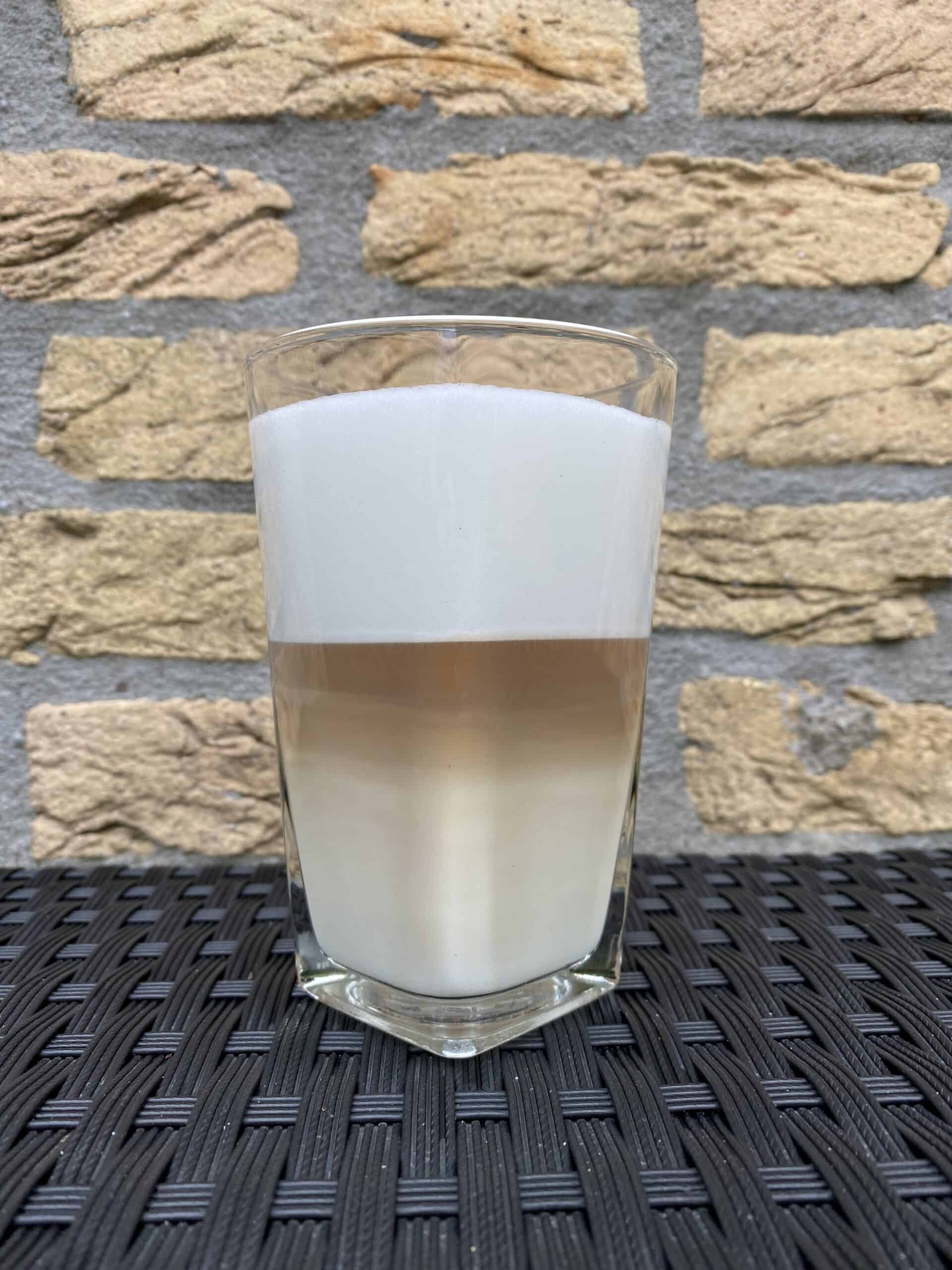
To make a latte, you can follow the steps below:
- Start by brewing a strong shot of espresso.
- Then, pour that espresso into a tall glass.
- Next, steam some milk until it's hot and frothy.
- Finally, pour the steamed milk into the glass with the espresso and top with a layer of foam.
Use a darker roast for a more intense, bold latte flavor. (Which you can learn more about here)
You can check out this article, where I discuss the differences between espresso beans and coffee beans.
Plus, check out this article here to learn more about what a latte is.
Is a latte stronger than coffee?
A latte usually tastes less strong than coffee because most of the cup is steamed milk, which smooths out the espresso.
But caffeine is a little more complicated.
A latte can be made with one, two, or even more espresso shots, so the caffeine depends on your size and how it's built.
As a rough guide, one espresso shot typically contains around 60 mg to 70 mg of caffeine, so your latte usually ranges from 60 to 140 mg, depending on the number of shots used.
Brewed coffee also varies significantly by method and strength; an 8-ounce cup of coffee usually contains 80-100 mg of caffeine.
Additionally, the coffee beans used to prepare espresso for the latte make a significant difference.
If you use a dark roasted bean for your coffee, it will have a more intense flavor than if you use a blonde roasted bean, for example, when making a blonde latte.

Tip: Discover my favorite coffee beans for a perfect latte at home.
The same goes for brewing coffee with a light roast or a darker roast.
Medium-roasted coffee beans are often used for brewed coffee, while espresso is typically made with a dark roast.

While espresso coffee is stronger than regular coffee, the addition of milk to the latte gives it a more balanced and slightly sweet flavor, whereas regular coffee tastes quite robust.
How many calories are in a latte vs. coffee?
A latte typically contains about 110 calories per serving, assuming whole milk is used, and no added sweeteners are included.
You can lower this amount by using low-fat milk or your favorite dairy-free milk, as they are usually lower in calories compared to whole milk.
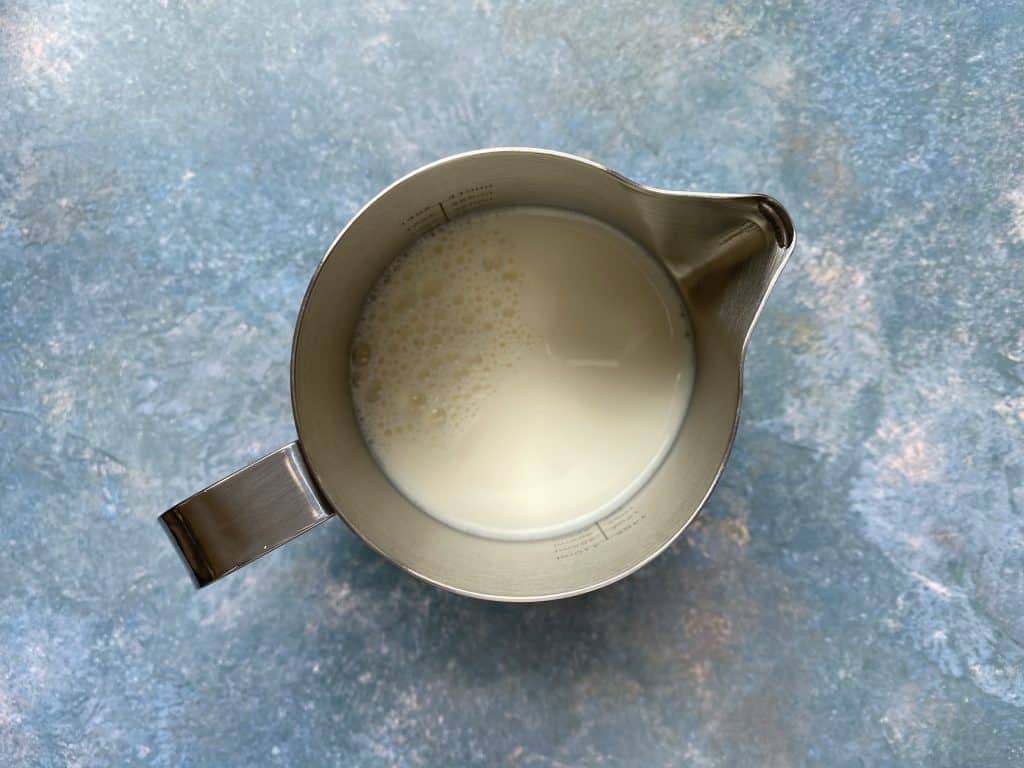
The calories may be higher depending on what you add to your regular coffee.
If you love adding homemade coffee creamer to your coffee, be aware that it can increase the number of calories.
A splash of milk is also a great way to make your coffee a bit more exciting.
If you want to find out the differences between coffee creamer and milk and which tastes better in coffee, you can get more information here.
What is the caffeine content of a latte and coffee?
There's a big difference in caffeine when comparing a latte and coffee.
Have a look below for the caffeine levels:
- A latte typically contains between 60 mg and 70 mg of caffeine, as it typically uses one espresso shot.
- Coffee contains between 80 mg and 100 mg of caffeine per 8-ounce serving.
Some coffee bars serve their lattes with a double espresso shot, which doubles the amount of caffeine.
However, this is not always the case, and regular coffee will most likely still have more caffeine per serving.
Which suits you better? A latte or coffee?
Neither one is better overall; it really depends on what you enjoy:
- Choose a latte if you want a smoother, creamier drink that's milk-forward with a gentler coffee taste.
- Choose brewed coffee if you want a bolder coffee flavor, fewer calories when drinking it black, and a simpler drink you can customize with add-ins.
Personally, I lean toward regular coffee in the morning, but an occasional latte is hard to beat when I'm craving something creamy.

Related coffee comparison articles
Are you wondering how the latte and normal hot coffee compare to other coffees?
Great! Check out the articles below for more in-depth coffee comparisons:
- Hot Coffee vs. Americano
- Hot Coffee vs. Espresso
- Hot Coffee vs. Iced Coffee
- Latte vs. Café Au Lait
- Latte vs. Cappuccino vs. Macchiato
And to compare more coffees, visit the coffee comparison hub!
Conclusion
Now you know that a latte is an espresso mixed with steamed milk and a thin layer of foam, whereas coffee typically refers to brewed coffee made from ground coffee and water.
If you're looking for something smooth, creamy, and mellow, a latte is a great choice.
If you prefer a bolder coffee flavor (and you like keeping calories low when you drink it black), brewed coffee is hard to beat.
One last thing to keep in mind is that the amount of caffeine and calories can vary significantly.
A latte can be made with one shot or multiple shots, and brewed coffee varies depending on the brewing method and the strength you prefer. Milk choices and add-ins make the biggest difference for calories in both drinks.
If you're still undecided, try ordering a classic latte one day and a pour over the next.
After that, it becomes pretty obvious which style you enjoy most!
Which one are you picking next, latte or coffee? Let me know in the comments below.


