

Do you ever stand at the coffee shop counter, torn between a cold brew and a latte?
They can be tricky to tell apart by aroma, flavor, and mouthfeel alone. So what's the real difference between a cold brew and a latte?
Key takeaways
- Verdict: Cold brew and a latte share no brewing step. Cold brew steeps coarsely ground coffee in cold or room-temperature water for 12 to 24 hours, while a latte combines a shot of espresso with steamed milk served hot, around 150 F (66 C).
- Caffeine: Cold brew averages 250 mg per cup. A single-shot latte has 64 mg and a double-shot comes to 128 mg, so cold brew delivers nearly double the caffeine of even a double-shot latte.
- Flavor: Cold brew is smooth, slightly sweet, and low in acid, with nutty and earthy notes. A latte is creamy and milk-heavy, with the steamed milk pulling out the roasted character of the espresso.
- Calories: Plain cold brew is about 5 calories per serving, while a whole-milk latte runs up to 110.
- Best for: Reach for cold brew when you want an ice-cold, refreshing drink with a serious caffeine punch. Choose a latte when you want a hot, milk-based coffee with a smooth, creamy texture.
In this article, I'll walk you through the key differences between cold brew and a latte, so you can order the one you actually want.
Let's get started!

Cold brew vs. latte, how do they differ?
Before we get into the details, here's a quick overview:
| Comparison: | Cold brew: | Latte: |
| Flavor notes | Smoother and sweeter taste | Creamy and milk-heavy |
| Coffee used? | Cold brew coffee | Yes, single or double espresso |
| Milk added? | No milk added | Whole milk |
| Caffeine content | 250mg of caffeine | 64 to 128mg of caffeine |
| Number of calories | About 5 calories | 110 calories |
| How is it served? | Served on ice | Served hot |
| Add-in used? | Served as is with optional sweeteners | Sweetener of choice |
Now that you've seen the highlights, let's go through each one below:
Which is stronger, cold brew or a latte?
Cold brew is the stronger drink of the two, and there are a few reasons for that.
The main one is the ratio: cold brewing uses far more grounds per cup of water than hot brewing methods do.
And the longer those grounds sit in the water, the more caffeine ends up in your glass.

Because cold brew skips the hot water extractions that other methods rely on, its bitterness and acidity stay in the background, which is why so many people find it smoother.
So if you want a seriously strong cup with a smooth finish, reach for a glass of cold brew!
What is the serving temperature of these drinks?
Temperature is where these two really split.
Start with the latte.
A latte is espresso plus steamed milk, poured into an 8 to 10-oz glass or cup.

You want it served hot, around 150°F (66°C), so the flavors come together the way they should.
On the flip side, cold brew coffees are easy to spot by their dark color and smooth flavor, since no heat ever touches them while they brew:

You'll enjoy these most when they're served ice-cold!
That chill brings out all the subtle flavors while keeping the texture and look just right.
In short, a latte belongs hot, while cold brew is more forgiving but still tastes best cold.
What is the flavor difference between these drinks?
Flavor is where you'll notice the biggest difference of all.
Cold brew coffee is made by steeping grounds in water for several hours, then straining them out, which leaves you with a concentrated brew:

That slow method gives you a smooth cup with low acidity. The flavor lands sweet, mellow, and nutty, with a subtle earthy note underneath.
A latte, by contrast, is espresso mixed with steamed and frothed milk, finished with a layer of foam on top.
Depending on how much sugar or how many syrups you stir in, your latte can end up sweeter than a cold brew.
It can also pull out more of those roasted, dark-roast flavors than cold brew does, since cold brew only steeps in water for hours instead of being forced out with the intense heat of espresso.
Is a latte or cold brew less acidic?
Put them side by side and cold brew is the less acidic of the two.
It comes down to how each one is made. A latte runs on espresso, where hot water is forced through tightly packed grounds, and that gives you an intense, more acidic shot.

Cold brew takes the slow road instead, steeping coarse grounds in cold or room-temperature water for a long stretch before you filter it, which is what makes it smoother, sweeter, and easier on the acid.
How much caffeine is in a cold brew vs. a latte?
There's a big caffeine gap between these two, and cold brew is the one that hits harder.
On average, a standard cup of cold brew carries around 250mg of caffeine, while a latte lands at 128mg per cup when it's made with a double shot of espresso.
Order a smaller latte, or one with a single shot, and that number drops to just 64mg of caffeine.

Cold brew owes that extra kick mostly to how it's brewed.
Most coffee drinks use hot water to pull flavor and aroma from the beans fast. Cold brew takes its time instead, since no heat is involved.
That process can run anywhere from 12 to 24 hours, and all that time concentrates the flavor, the aroma, and the caffeine right along with it.
So if you want an extra boost to carry you through the day without giving up on taste, a cold brew might be exactly what you need!
What is the calorie difference between a cold brew and a latte?
There's a real calorie gap between a cold brew and a latte too.
Cold brew has next to none, since you're really just steeping grounds in water overnight and straining them out, with nothing else added.
Made that way, a cup of cold brew comes in at just 5 calories a serving.
A latte made with whole milk, on the other hand, can run up to 110 calories a serving.
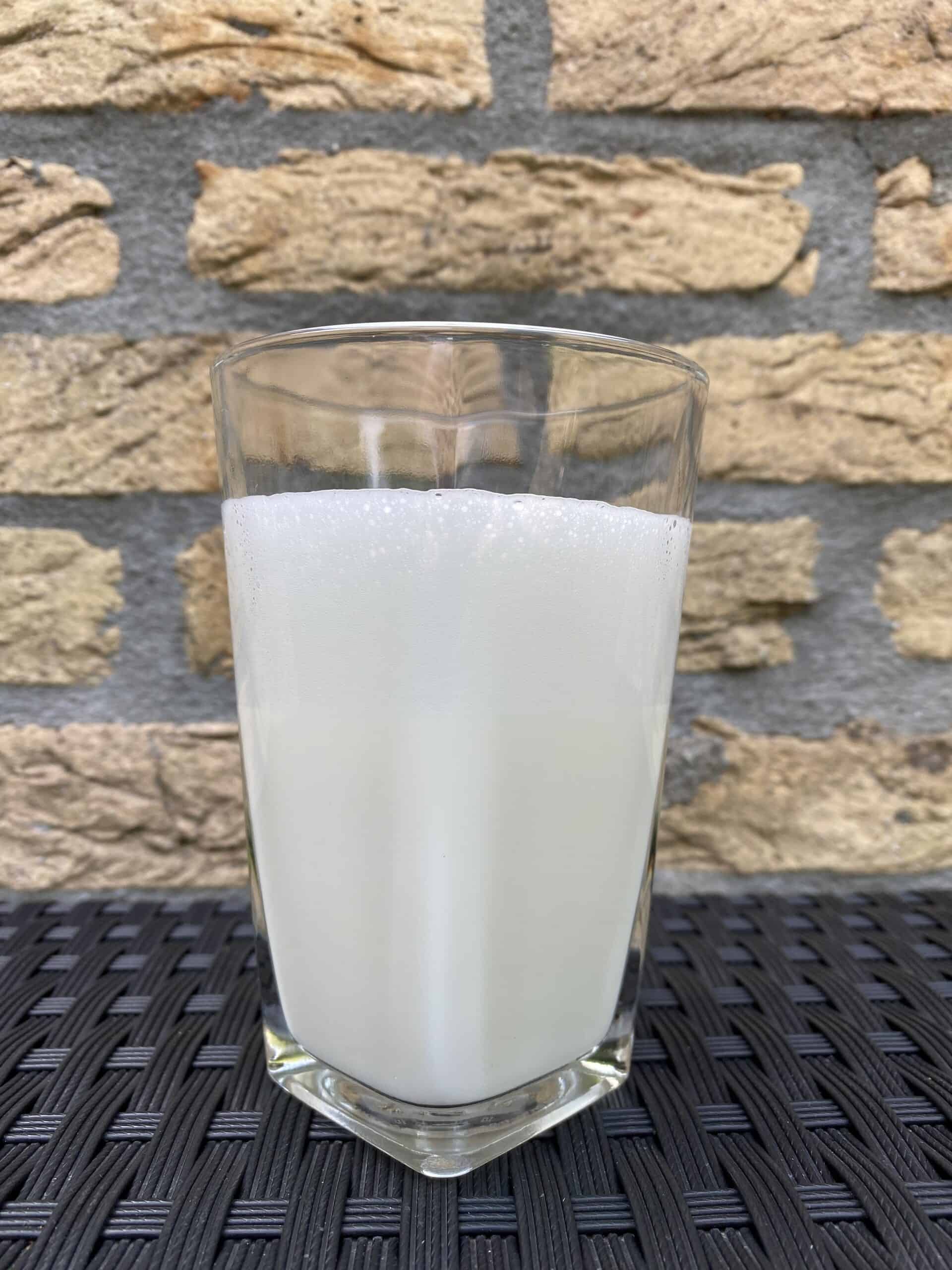
That's the milk talking; all that steamed whole milk adds fat, in the most delicious way!
You can still trim that number down, though, by switching to a non-dairy option like almond or oat milk and going easy on the sweeteners and syrups.
Which is better, cold brew or a latte?
Which one is better really comes down to you.
On taste, they each pull in a different direction:
- Cold brew leans toward a deeper, bolder flavor, thanks to its higher coffee-to-water ratio and long steep.
- A latte, with all that milk, is known for its creamy texture and richer aromas.
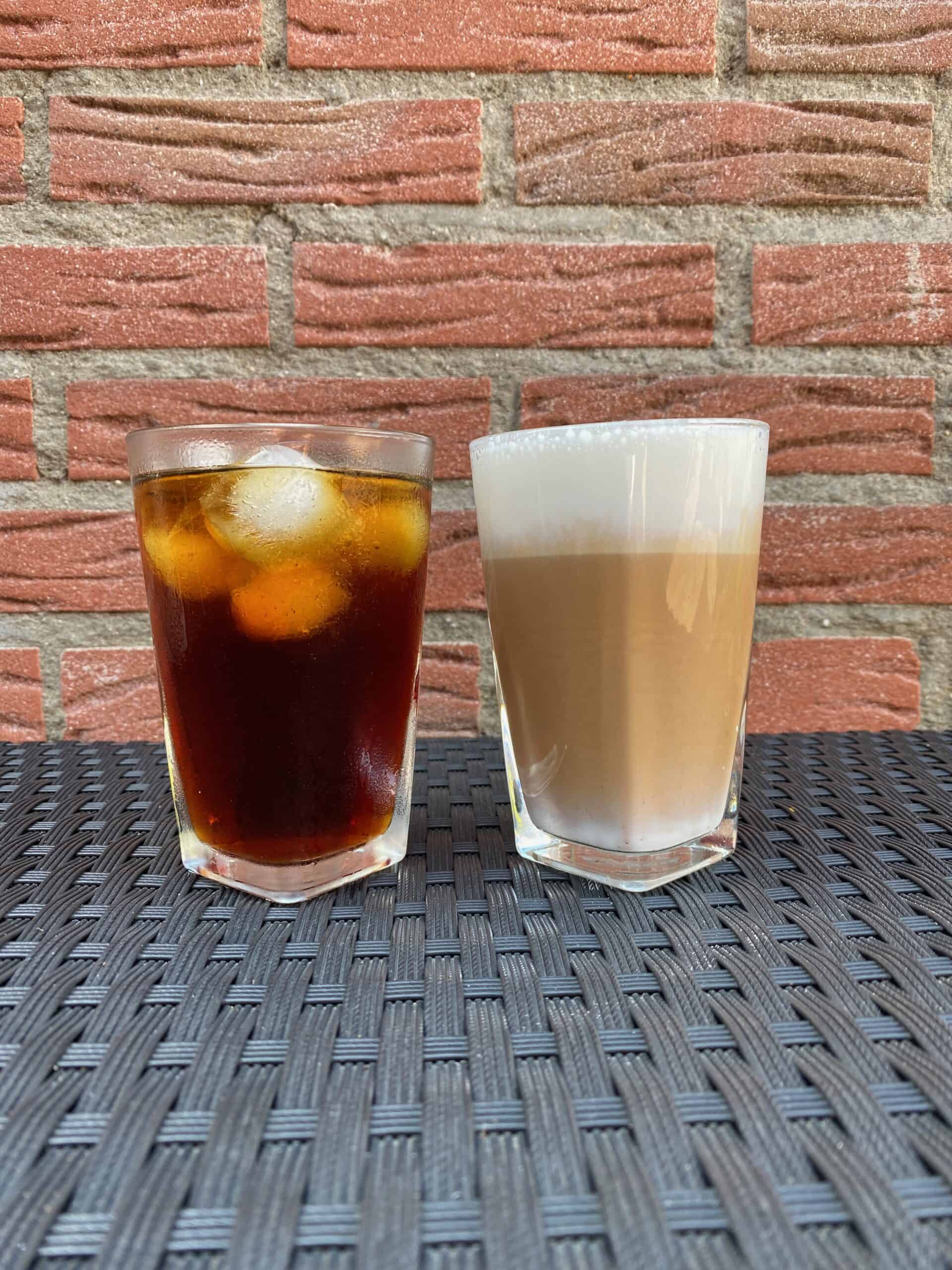
If you're still on the fence, here's what I'd suggest:
- Cold brew is perfect if you love a refreshing, ice-cold drink that packs a punch.
- Would you rather sip a milk-based coffee with a smooth flavor? Then a latte is your pick!
I love them both equally, and they each fit a different moment in the day.
You might start your morning with a warm latte and then cool off with a refreshing cold brew in the afternoon sun!
Related coffee comparison articles
Curious how cold brew and a latte stack up against other coffees?
Great! Have a look at the articles below for more coffee comparisons:
- Cappuccino vs. Latte vs. Macchiato
- Iced Coffee vs. Cold Brew
- Cold Brew vs. Espresso
- Flat White vs. Latte
- Breve vs. Latte
And to compare more coffees, visit the coffee comparison hub!
Conclusion
There are plenty of ways to enjoy your coffee, and it really comes down to what you like.
Cold brew and a latte each bring something different to the cup.
If you want a bold, full taste, go for the cold brew.
If you're after more sweetness and creaminess, a latte is right up your alley.
Try them both and see which one wins you over! You might even land on a brand-new favorite for your next order.
For the iced version of this matchup, see my cold brew vs iced latte breakdown.
So why wait? Go pour yourself something great; you won't regret it!


