When you're at your favorite coffee shop ordering a drink, the last thing you probably think about is the precise differences between the drinks on the menu.
If you're one of these individuals who has been wondering about the key differences between Caffè Misto and lattes, it's time to learn all about it.
Quick Answer: What is the difference between a Caffè Misto and a latte?
The difference between a Caffè Misto and a latte is that a Caffè Misto uses equal parts brewed coffee and steamed milk, while a latte is made with espresso coffee, steamed milk, and a layer of foamed milk on top.

Below, I'll go over the differences between these drinks, including the amount of milk used, caffeine content, calorie difference, and much more!
Caffè Misto vs. latte, what's the difference?
Before getting into the details of each drink, you can have a look at the overview below to see how these coffees differ:
| Comparison: | Caffè Misto: | Latte: |
| Which milk? | Whole milk | Whole milk |
| Coffee used? | Yes, 1/2 cup of brewed coffee | Yes, one espresso shot |
| Caffeine content | 86 to 110mg of caffeine | 68mg of caffeine |
| Number of calories | 73 calories | 110 calories |
| Flavor notes | Smooth and creamy | Creamy and milk-heavy |
| Sweetener? | Sweetener of choice | Optional syrup of choice |
You can also see a clear difference between these drinks when comparing them side by side:

Now that you know what makes these coffees unique, it's time to dive a little bit deeper. Below, I'll first go over the drinks individually and then tell you how they differ:
What is a Caffè Misto?
A Caffè Misto is made with equal parts brewed coffee and steamed milk. The coffee that is used can be made with any brewing technique.
Whether you're interested in trying something new or are looking to replace a more traditional coffee order, the Caffè Misto is a great coffee drink.

A few brewing techniques that are great to make the basis for this drink are pour-over techniques or the French press.
- Pour over coffee makes for a more balanced and mellow-tasting coffee because of the filter used.
- On the other hand, using a French press for the coffee will leave you with a full-bodied coffee that makes for a more robust tasting Caffè Misto.
The best part about this drink is that you can easily make it at home because it doesn't require that much equipment.
If you're interested in getting more information about the Caffè Misto, you can check it out here.
Fun fact: Did you know that there's an Americano Misto as well? Check out this article here for more information!
What is a latte?
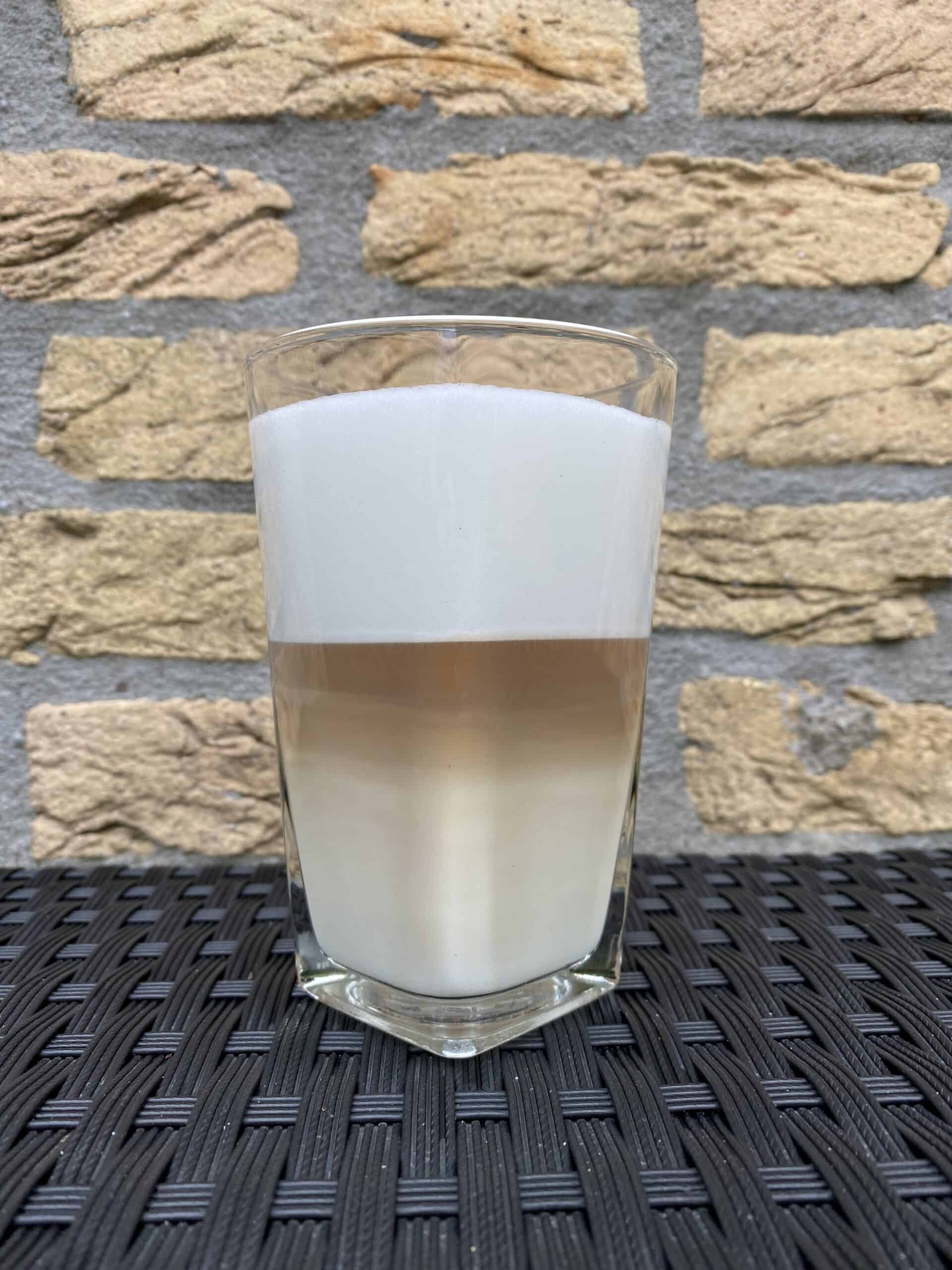
A latte is a coffee made with espresso as the basis with steamed milk and topped with a layer of foamed milk.
The great thing about a latte is the textures in the drink. The layers of milk in the latte make for an amazing drinking experience.
A latte is also easy to make if you have the right equipment. You'll need something to steam and froth the milk and an espresso brewer.
You can easily froth milk at home. You can find more information here if you want to know about six quick ways to do so.
The AeroPress and Moka pot are great alternatives to an espresso machine. These coffee brewers make amazing espresso-like coffee that works great to make this drink.
If you're interested in learning to brew a latte at home, you can check out the full recipe here.
What are the differences in milk?
Now that you've had a small introduction to these drinks, it's time to get into all the differences.
One of the biggest differences (along with the coffee used) is the milk and its preparation. Have a look below for the differences:
- You can make a Caffè Misto with any milk you prefer, and the milk is steamed.
- You can also make a latte with any milk, but whole milk gives the best foam. Most of the milk is steamed, and a small part is foamed.
The amount of milk is the next thing that is very different between these drinks. This can differ between coffee bars, but for the most part, this is the difference in milk:
- A Caffè Misto uses equal parts milk and coffee. Usually, 1/2 cup (0.12 l) of milk is used in this drink.
- A latte has much more milk added, and the ratio of coffee to water differs a lot. A latte uses 3/4 cup (0.18 l) of milk.
Because the amounts of milk differ, there is also a difference in taste because of it. As you've seen at the start, the latte has more texture to it.
Is there a difference in calories?
There is a slight difference in calories between a Caffè Misto and a latte.
To find out what the difference in calories is, I've listed six kinds of milk and their amount of calories for each drink, so you can easily have a glance to know the difference:
| Milk used: | Caffè Misto calories: | Latte calories: |
| Whole milk | 73 calories | 110 calories |
| 2% fat milk | 61 calories | 92 calories |
| Nonfat milk | 43 calories | 65 calories |
| Oat milk | 60 calories | 90 calories |
| Soy milk | 64 calories | 96 calories |
| Almond milk | 20 calories | 30 calories |
As you can see from the table above, a latte has more calories. The number of calories is higher because it uses a larger amount of milk.
Depending on the milk that is used, you can significantly lower the number of calories (especially when using almond milk).

However, a latte will always have more calories than a Caffè Misto because more milk is used to prepare the drink.
What are the differences in caffeine content?
The caffeine difference between these two milk-based coffees is quite significant.
Because the Caffè Misto uses brewed coffee and the latte uses an espresso, there's a difference in caffeine.
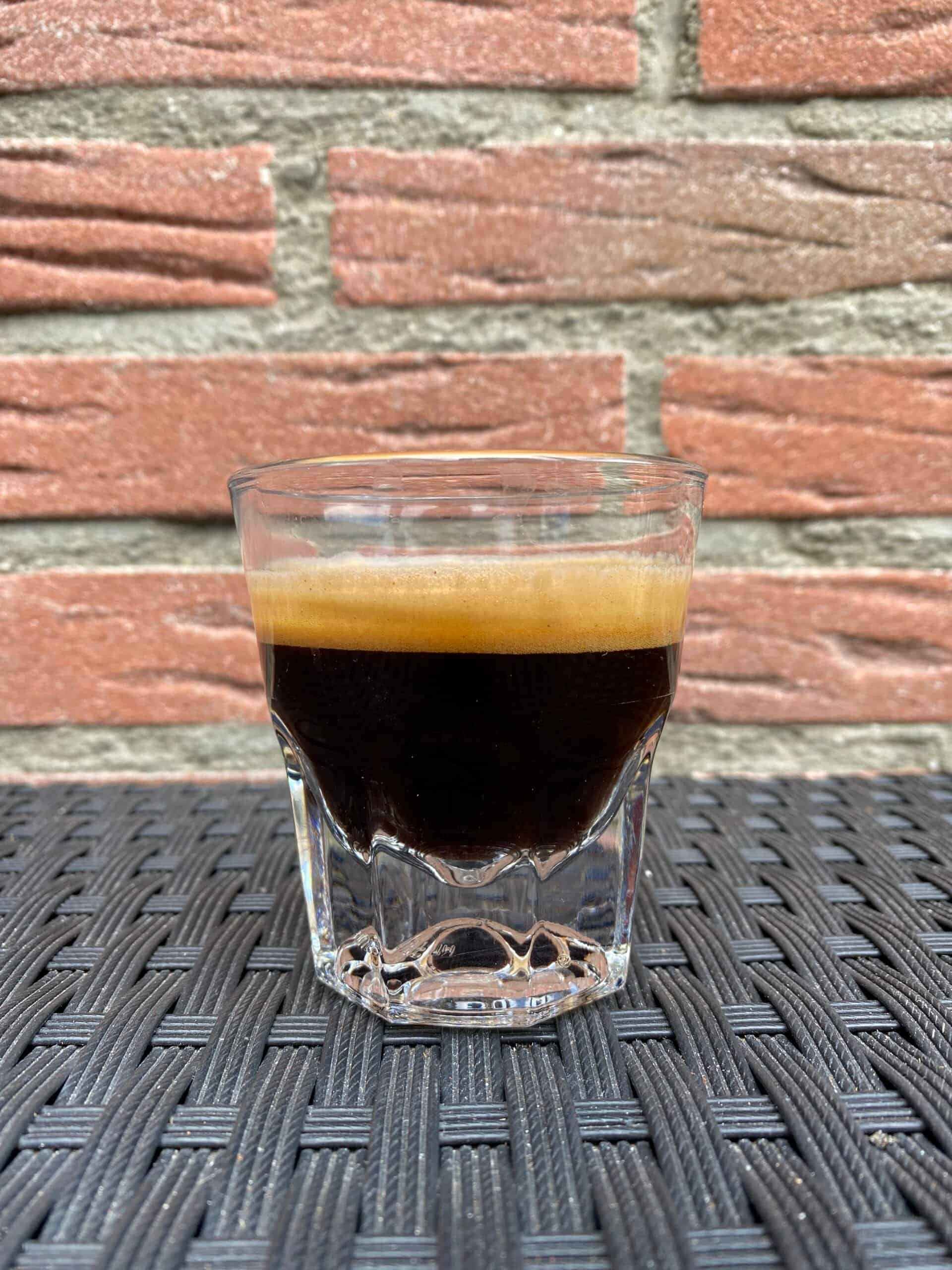
For this comparison, I'll be comparing equal amounts of coffee. It will be a comparison of 1 cup (0.24 l) of both coffees:
- Caffè Misto has between 86 and 110 mg of caffeine.
- A latte has 68 mg of caffeine for the same amount. (source)
The Caffè Misto uses 1/2 cup (0.12 l) of brewed coffee to make a full cup (0.24 l) of coffee, while a latte uses just 1/4 cup (0.06 l) of espresso coffee to make the same amount of coffee.
The caffeine content changes between coffee brewing techniques; filtered coffee is lower in caffeine than coffee made with a French press.

Generally speaking, brewed coffee used to make a Caffè Misto will have more caffeine than the single espresso shot in a latte.
Now that you know about the caffeine difference, it's time to look at which one is better for you below:
Caffè Misto vs. latte, which is better for you?
Choosing between these two coffees can be quite hard. But now that you know about the differences in caffeine, calories, and which coffee is used, you might already have a favorite.
If you're still unsure which is better for you, then you can read my recommendation below:
- If you like a coffee with a bit more body and more caffeine to start your day, then the Caffè Misto is perfect for you.
- If you prefer a more easy-going coffee drink where you can taste a lot of milk and less coffee, then a latte is the right choice for you.

It's really about what you prefer in your coffee drink. I appreciate a Caffè Misto as my morning joe because it has more caffeine, but you might like a latte instead.
Related coffee comparison articles
Are you wondering how the Caffè Misto and latte compare to other coffees?
Great! Check out the articles below for more in-depth coffee comparisons:
- Latte vs. Americano
- Latte vs. Coffee
- Latte vs. Cortado
- Latte vs. Cappuccino vs. Macchiato
- Latte vs. Mocha
And to compare more coffees, visit the coffee comparison hub!
Conclusion
This coffee comparison turned out well. Because these coffees can look the same when you get them in a cup, you might not know the difference right then and there.
But those days are over because you now know what the differences are, so you can easily check the differences yourself.
You can use this information to order your perfect coffee the next time around, or you can make these coffees from the comfort of your home.
Which of the two coffees do you prefer? Let me know by leaving a comment down below. If you have any other questions regarding coffee, you can also contact me directly by pressing the "Contact Me" button at the top!