If you've ever walked out of Starbucks holding a latte that cost more than your lunch, you've probably wondered: Why is Starbucks so expensive?
It's a fair question. After all, you can brew a cup of coffee at home for way less. So how does Starbucks convince millions of people to pay $5-7 for their drinks every day?
Quick Answer: Why is Starbucks so expensive?
Starbucks is expensive because it sells more than just coffee. The higher price reflects its premium branding, cozy "third place" atmosphere, convenient store locations, consistent drinks worldwide, quality beans, and ethical sourcing.
The answer lies in their pricing strategy. Starbucks isn't just selling coffee; they're selling an experience, a brand, and a lifestyle.
In this article, you'll learn all about it.
Let's break it down with 10 reasons!
1. Premium branding and positioning
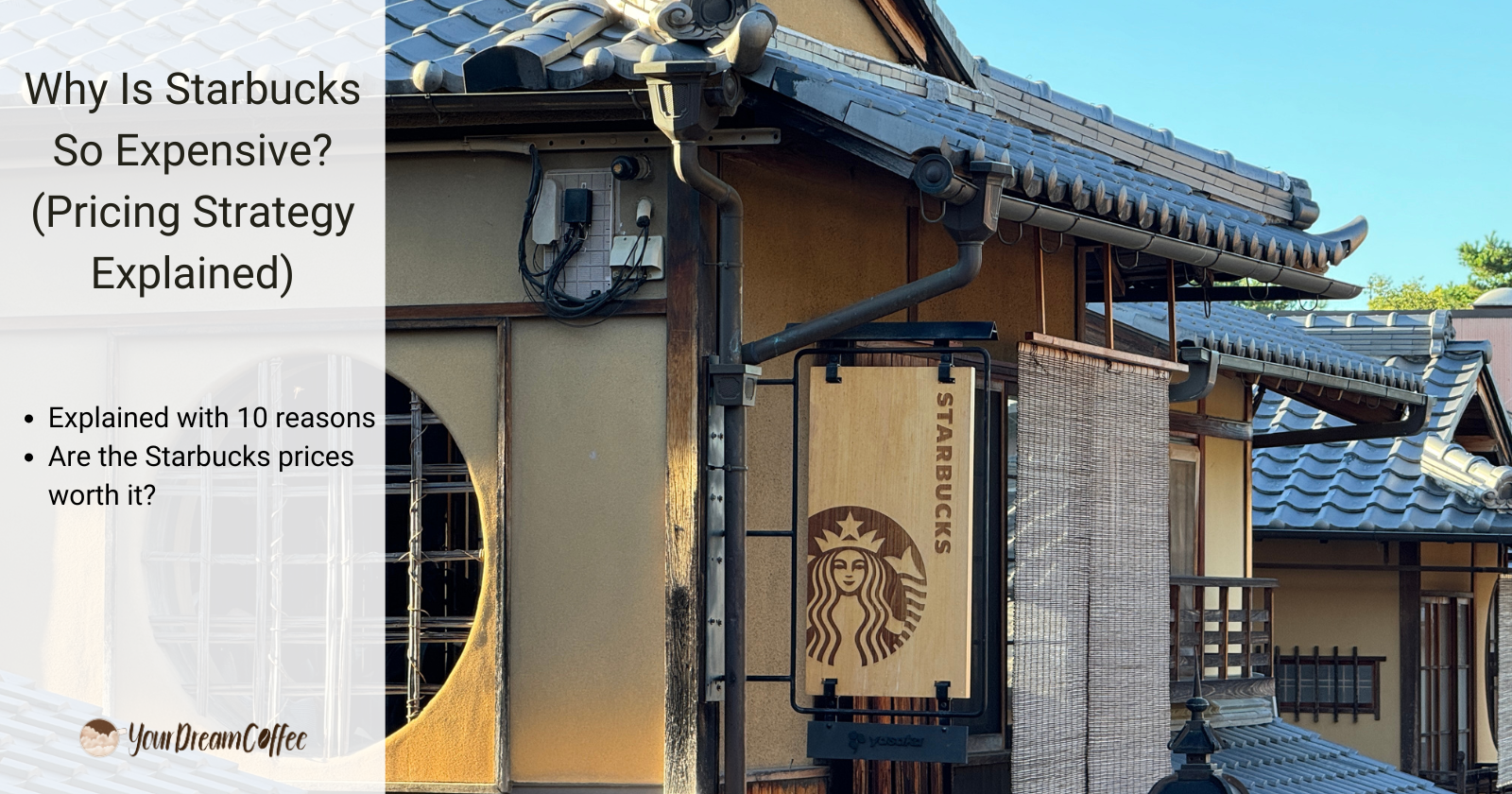
Starbucks has spent decades positioning itself as a premium brand.
Their green logo is instantly recognizable, and ordering a Starbucks coffee feels different from grabbing a cup at the gas station.
When you walk into a Starbucks, you're not just buying caffeine, you're buying into a lifestyle that feels modern, reliable, and a little indulgent.
This branding strategy is deliberate.
Starbucks utilizes storytelling, seasonal drinks, and social media buzz (think pumpkin spice latte season) to generate excitement around its products.
The result? Customers value the experience itself, not just the coffee.
2. The "third place" experience
Starbucks isn't only about what's in the cup. It's about where you drink it.
The company famously markets its stores as a "third place", not home, not work, but a welcoming space in between.
When you step inside, you'll often find cozy seating, soft music, Wi-Fi, and a relaxed environment where you're welcome to linger.
Whether you're studying for an exam, holding a business meeting, or just catching up with a friend, Starbucks gives you a place to stay without rushing you out the door.
This experience is part of what you pay for. A $6 latte isn't just coffee, it's rent for a table, access to internet and electricity, and the comfort of a well-designed space.

Other coffee shops may offer these perks, but Starbucks has perfected making them feel universal.
3. Consistency across the globe
No matter where you are, Tokyo, London, or Los Angeles, you can walk into Starbucks and expect the same caramel macchiato. That consistency doesn't happen by accident.
Behind the scenes, Starbucks has strict training for baristas, detailed recipes, and quality control measures that ensure your drink tastes the same whether it's made in Amsterdam or New York.
Achieving that level of standardization across nearly 40,000 stores worldwide is a complex and expensive endeavor.
For customers, that consistency provides comfort and trust.
You may not know the local café down the street, but you know exactly what you'll get at Starbucks, and people are willing to pay extra for that reassurance.
4. High-quality ingredients
Starbucks markets itself as using higher-quality beans (sometimes organic) than your average coffee chain.
While you may argue over taste, the fact is that Starbucks invests heavily in sourcing, roasting, and delivering beans that meet specific standards.
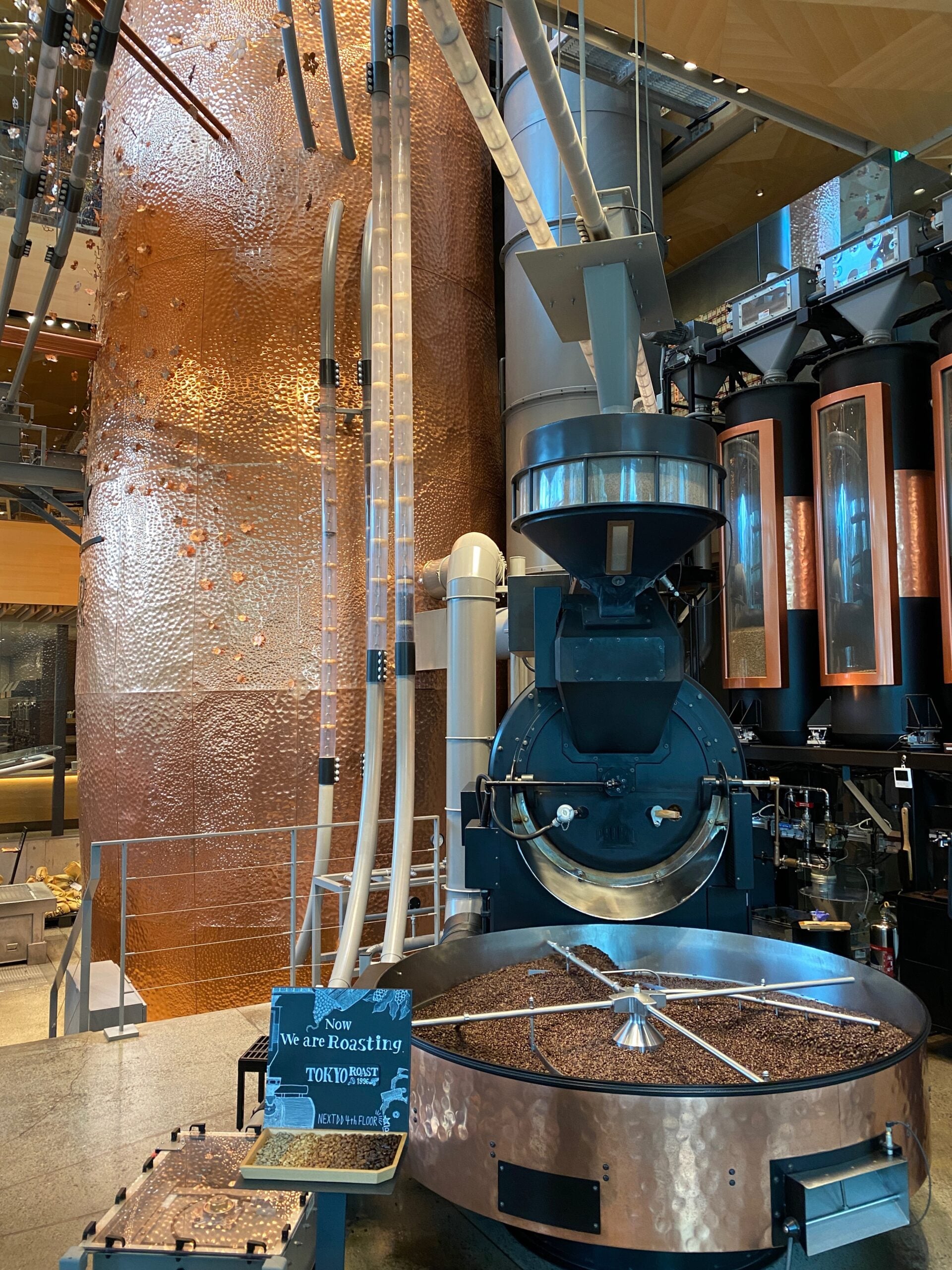
Much of this comes from their C.A.F.E. (Coffee and Farmer Equity) practices, which prioritize ethically and sustainably sourced beans.
That often means paying farmers a premium, supporting environmental practices, and maintaining traceability.
Additionally, Starbucks offers alternative milks, syrups, and toppings to cater to various preferences and dietary needs.
Almond milk, oat milk, coconut milk, and lactose-free options are more expensive to stock and store, but they're part of what keeps customers coming back.
All of these costs add up, and they're reflected in the final price of your drink.
Since the beginning of 2025, these have been available free of charge to all customers.
You can check out the best Starbucks coffee beans here!
5. Real estate and store locations
If you've ever noticed that Starbucks always seems to be in the busiest, most convenient spots like malls, airports, and city centers, that's by design.
Prime real estate ensures Starbucks is always within reach, but renting those locations costs a fortune.
Add to that the sleek interior design, comfortable furniture, and frequent renovations, and the cost of running each store is enormous compared to a local café.
You may not think about it while sipping a cappuccino, but every seat, every outlet, and every piece of furniture is part of what you're paying for.
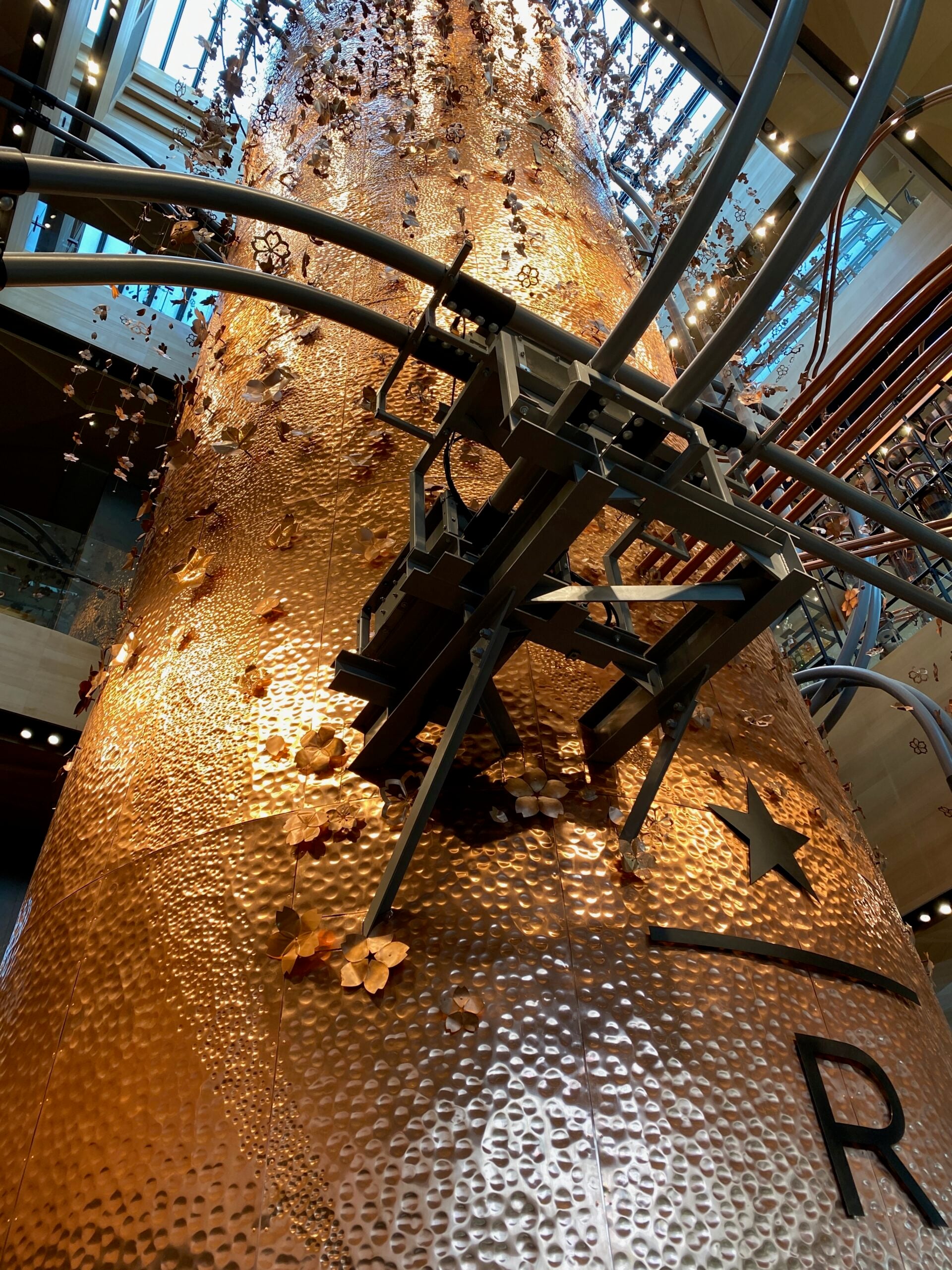
And did you know that Starbucks also has Starbucks Reserve stores, which offer unique drinks and a premium experience?
You can check out this article to learn all about it!
A diner's coffee usually comes with two options: cream or sugar. But at Starbucks, the possibilities are endless.
You can choose your milk type, syrup flavor, topping, size, temperature, ice level, and even the strength of your espresso shot.
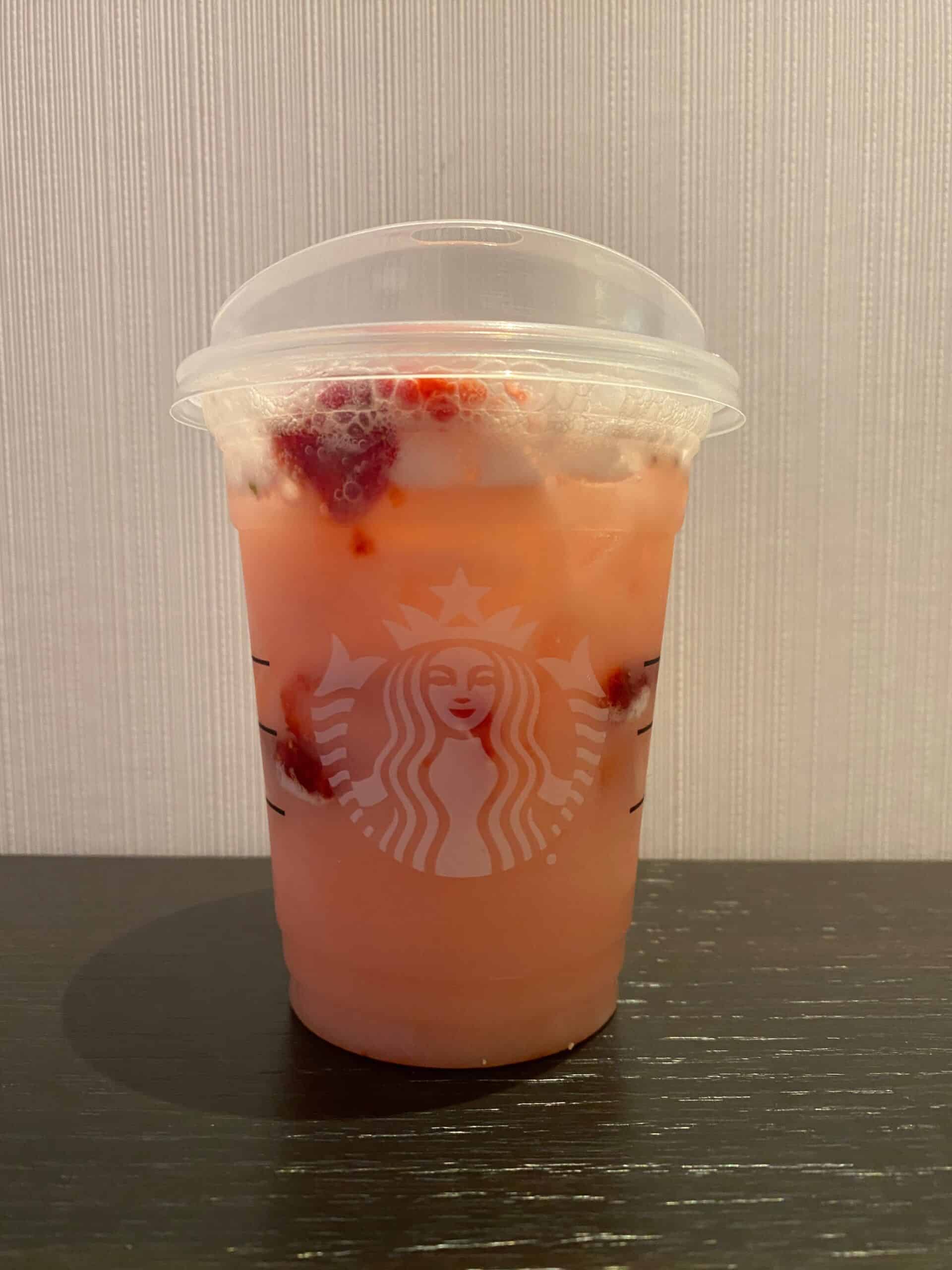
This level of customization requires stocking dozens of extra ingredients, barista training for hundreds of recipes, and longer preparation times.
The complexity slows down operations and costs more in labor and logistics.
But for customers, the payoff is personalization. You're not just buying a coffee; you're buying your coffee.
That uniqueness makes people more willing to pay a premium.
7. Psychological pricing strategy
Starbucks knows how to effectively apply psychology in its pricing strategy. Consider this:
A Tall (small) latte is just slightly cheaper than a Grande, making the medium seem like a better value.
Seasonal drinks, such as the pumpkin spice latte or holiday-themed Frappuccinos, tend to be more expensive, but customers are willing to pay for the exclusivity.

Drink sizes have unique names ("Tall," "Grande," "Venti") that separate Starbucks from ordinary cafés and subtly shift how you perceive value.
By controlling how prices are framed, Starbucks makes customers feel like they're getting more value, even while charging higher prices.
Tip: If you want to learn more about the various cup sizes that Starbucks has (including some secret sizes), you can check out this in-depth article!
8. Loyalty programs and mobile ordering
The Starbucks Rewards program is one of the most successful loyalty systems in the world.
Customers earn "stars" for every purchase, which can later be redeemed for free drinks or upgrades.
Here's the catch: to earn rewards, customers often spend more than they normally would.

Add to that mobile ordering, which allows you to skip lines and order in seconds, and Starbucks reduces the natural "friction" that might make you reconsider the price.
When paying feels effortless and you're building toward rewards, you're more likely to keep buying, even at higher prices.
You can learn more about the Starbucks Rewards program here. I've covered how you can earn free drinks at Starbucks.
Or you can use my calculator below to see how long it will take you to get a free Starbucks drink:
9. Global supply chain and labor costs
Running nearly 40,000 stores worldwide is a massive undertaking.
Starbucks has to handle international shipping of beans, regional distribution centers, barista training programs, and employee benefits.
Labor costs are especially high.
Starbucks has made efforts in recent years to improve pay, which adds to operating costs but aligns with its brand image of being socially responsible.
All of these behind-the-scenes expenses contribute to why that Frappuccino costs $6 instead of $3.
10. Customers are willing to pay
Ultimately, Starbucks charges what people are willing to pay.
The brand has built a loyal following of customers who value the atmosphere, consistency, and branding so much that they are willing to overlook the price tag.
For many, Starbucks isn't just coffee; it's a daily ritual, a personal treat, or a symbol of status.
As long as customers continue to perceive value, Starbucks can maintain premium prices.
Are the Starbucks prices worth it?
Whether Starbucks is "worth it" depends on your perspective.
If you just want caffeine, brewing coffee at home for a fraction of the price is a far more affordable option.
But if you value the experience, atmosphere, and customization that Starbucks provides, the price may feel justified.
I enjoy Starbucks as an occasional treat, especially when I want a cozy space to work or a seasonal drink. But for everyday coffee, my home brew wins on both price and taste.
And whenever I do visit Starbucks, I make sure to get the most out of my visit by enjoying a free refill!
Conclusion
Starbucks is expensive because it isn't just about coffee; it's about branding, location, experience, and psychology.
Their pricing strategy proves that people aren't just buying a drink; they're buying into a lifestyle.
Next time you're sipping on that $6 vanilla latte, you'll know exactly where your money is going.
And you prefer not to spend that kind of money on your morning coffee, brew your own before leaving the house, and save the money for something else.