Coffee is a globally beloved drink that is consumed daily. However, few people have a few thousand dollars to buy a decent coffee maker.
This raises the question: Are coffee makers necessary, or can you make coffee without purchasing one?
Quick Answer: Here's how to make coffee without a coffee maker.
You can make coffee without a coffee maker by brewing it on the stovetop or in the microwave. Alternatively, you can make cold brew, homemade filter coffee, DIY French press, or use coffee bags. Each of these methods has its advantages and offers varying results.
This article will explore the best ways of making coffee without a machine in 2026.
All of the methods require making coffee from beans and aren't applicable to instant coffee, as instant coffee is made with just hot water and not a coffee maker.

1. Simple stovetop coffee
Simple stovetop coffee is a straightforward recipe for making a delicious home brew without a fancy coffee machine.
All you need for this recipe is a heat source, such as a stove, a small pot, and some coffee.
However, it also helps to have a strainer or cheesecloth of some sort, but this is not essential.
Follow these steps to make simple stovetop coffee:
- Pour two and a half cups of water into a pot and place it on the stove.
- Heat the water until it's steaming hot but not quite boiling.
- Add four tablespoons (57 grams) of coarsely ground coffee beans.
- Remove the pot from the heat source and let it sit for at least 3 minutes.
- Carefully pour the coffee from the pot, leaving the beans behind.
If you enjoy a strong cup of coffee packed full of caffeine, you can add more coffee to your brew.
You can leave the coffee in the pot for longer to extract more flavor; however, be careful not to overdo it, as this could result in a sour cup of coffee.
This coffee brewing method is often referred to as cowboy coffee, and it's so easy that you can even use it when camping.
This brewing method earned its nickname as settlers and cowboys often used it as they made their way west.
2. Microwave coffee
What's easier to use than a microwave?
All you need to do is add whatever you want to heat up, press a button or two, wait a minute, and it comes out piping hot.
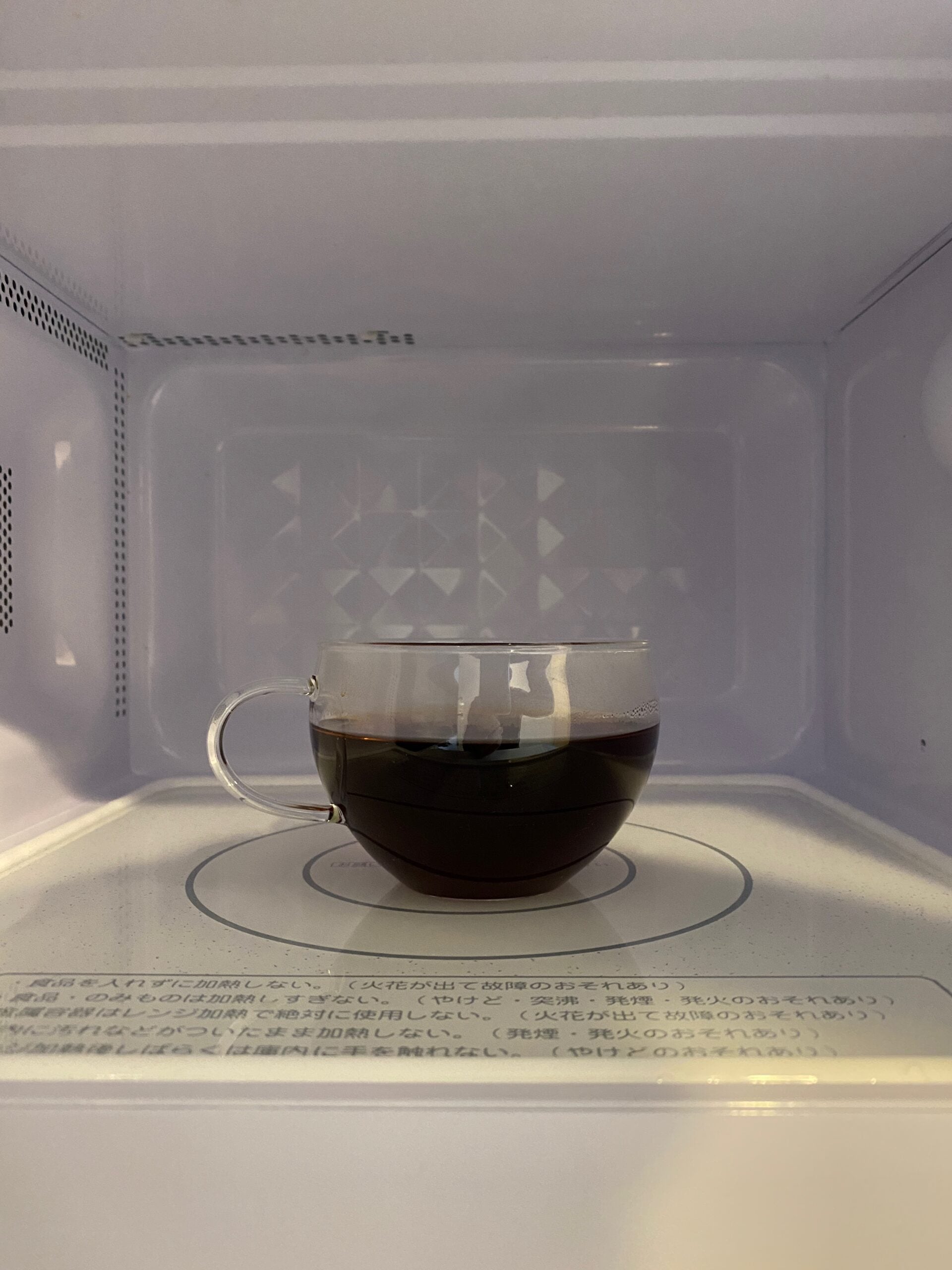
You are likely already well-acquainted with using microwaves, but did you know you can also make coffee in them?
Follow these steps to microwave yourself a hot cup of coffee:
- Fill a cup with water and place it into the microwave.
- Set the microwave to full power for 30-second intervals until the water is hot but not boiling.
- Then, add two heaped tablespoons of coffee beans per cup of coffee to the water.
- Leave the coffee to sit and steep for five or so minutes.
- Pour into a fresh cup, leaving the beans at the bottom of the brewing cup.
Microwaving coffee is one of the easiest, quickest, and most convenient ways of making a delicious brew.
However, it can be challenging to get the flavor you're accustomed to from a coffee machine using this approach.
This is due to a few reasons. Firstly, it's difficult to heat the water to the correct temperature in a microwave.
If you heat the water to a boiling point, it will burn the coffee beans. In contrast, if you don't heat the water sufficiently, you won't extract a good flavor and caffeine from the beans.
Another issue with this method is that some of the used beans will likely end up in your drink unless you've got some cheesecloth or coffee filter paper to catch some of the pieces before they land in your glass.
3. Cold brew coffee
Cold brew coffee is a delicious and refreshing source of caffeine for a warm summer's day. Simply chill the coffee beans and allow them to infuse.
Since heat is not involved in making cold brew coffee, it differs from hot beverages. For starters, cold brew coffee is typically less bitter and lighter in flavor than other types of coffee.
Cold brew coffee is also naturally a paler color, giving it the appearance of a diluted coffee.

Cold brew coffee is also less acidic than other caffeinated beverages. This is why cold brew coffee is less bitter.
Since cold brew coffee is less bitter, there is less need to add milk or sugar, which reduces the calories in your coffee.
However, cold brew coffee is still a flavorful drink.
And more importantly, cold brew coffee still packs a caffeine punch so that you can kickstart your day with a chilled drink rather than a hot coffee.

Making cold brew coffee is a summertime favorite for many coffee enthusiasts.
Here's how to make cold brew coffee at home:
- Add 1 part coarsely ground coffee beans to a container.
- Add four details of water to the same container.
- Leave the coffee beans and water in your fridge for a minimum of 12 hours.
- Pour the coffee from the container into a cup; be careful not to pour the beans into the glass.
- Dilute the cold brew coffee with ice cubes and savor the refreshing taste.
For optimal results when making cold brew coffee, use filtered water with a neutral pH.
You should also avoid using finely ground coffee beans, as they will be difficult to remove and will give the drink a sandy consistency.
There's a technique you can use if you only have finely ground coffee at home. You can learn how to make cold brew with finely ground coffee by reading this article.
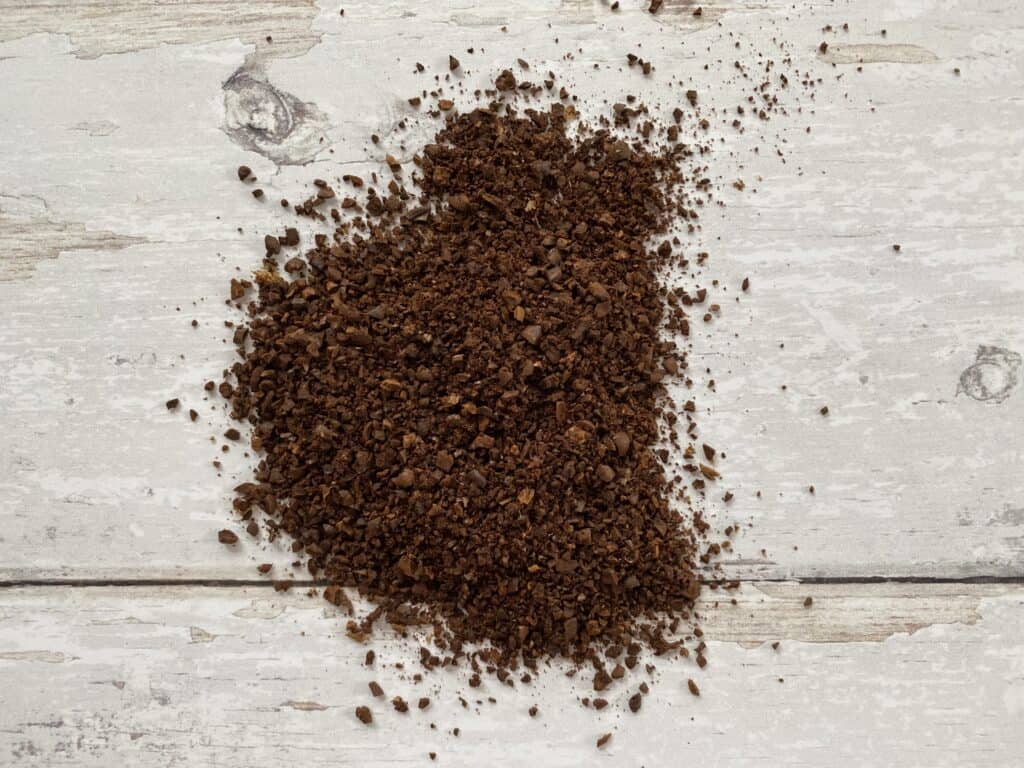
Moreover, the longer you leave the beans to infuse, the stronger your coffee will be. Aim for at least 12 hours of brewing time for an optimal flavor.
This brings me to the biggest drawback of making cold brew coffee. It takes so much time.
You can't whip up a quick cup of cold brew; instead, you have to spend half a day waiting for it to be ready.
Additionally, cold brew coffee requires more coffee per serving than brewing methods that use heat, making it somewhat wasteful.
4. DIY filter coffee
Did you know that you can enjoy delicious filter coffee without buying coffee filters?
Instead, you can make your coffee filters using everyday household items and a little ingenuity.
That way, you can enjoy a filter coffee, even without coffee filter paper.
Follow these steps to make your filter coffee:
- Create a coffee filter using a folded piece of cheesecloth or a tea towel.
- Place the coffee filter into the top of a cup or a coffee pot.
- Fill the empty filter with ground coffee beans.
- Pour the hot water over the beans and wait for it to drop through.
- Once you've got enough for a drink, set the filter aside for later use and enjoy your hot coffee.
Filter coffee is one of the most popular and straightforward brewing methods.
However, filter coffee usually requires paper filters that can quickly become expensive if you drink coffee as much as I do.
That's what's so great about this method: the money-saving benefits.
When using cheesecloth as a coffee filter, you will likely need to fold it over a couple of times:

The larger hole sizes in a cheesecloth can allow some pieces of coffee beans to pass through. That's why you mustn't just use one layer.
Layering up the cheesecloth will close over some gaps and prevent large quantities of coffee beans from passing through.
However, without an effective coffee filter, you will likely still end up with some beans in your drink.
5. Improvised French press
French-pressed coffee is one of the most popular options for home-brewed coffee, as the French press is often a cost-effective addition to any kitchen.
However, they are prone to breaking, so they can sometimes be out of use.
When your French press is not available, you can still enjoy the same coffee standard using only a couple of clean cups.
Follow these steps to improvise a French press:
- Heat some water until it's close to the boiling point.
- Next, pour enough coffee for one serving into a cup.
- Add the hot water to the cup.
- Let the coffee brew for 3 to 5 minutes, depending on your preferred strength.
- Carefully pour the coffee from the cup into your serving cup, leaving about an inch (2.54 cm) of coffee at the bottom.
- You now have a serving of French press coffee to enjoy, without needing to purchase a French press.
French press coffee boasts a rich and luxurious flavor, emitting a beautiful aroma that is irresistible to coffee lovers.
French press coffee brewing also allows you to control the strength of your coffee by adjusting the number of coffee beans you add and the duration of brewing.

French press coffee also allows you to get a full hit of caffeine, as the water has more time to absorb it compared to filtered coffee.
However, this method of French press coffee brewing has its flaws.
For starters, you will likely have small pieces of ground coffee beans in the bottom of your cup unless you have a strainer or cheesecloth of some sort.
Secondly, it's easy to make your coffee too strong by leaving it too steep for too long.
This can result in a bitter-tasting coffee with intense caffeine levels.
6. Coffee bags
You're likely well aware of tea bags and how they're used. However, did you know that coffee bags are also an effective and convenient way to make a hot beverage?
Coffee bags are a simple workaround for not having a machine; you add them to hot water, wait a few minutes, and enjoy.
DIY coffee bags
You can purchase empty tea bags from many supermarkets and outlet stores. To make your coffee bags, fill the empty ones with coffee and close them properly.
However, if you don't fancy taking a trip to the store, you can easily fold up some cheesecloth and seal it tight with a clip containing ground coffee beans.
Then, simply add the cheesecloth to hot water and let it brew.
Drip coffee bags
Drip coffee bags are an ingenious way to brew coffee at home without a machine.
These coffee bags feature a cardboard piece that opens up and sits on the top of your coffee cup. This leaves the top of the bag open, allowing the coffee to sit inside.
Then, you pour water into the exposed coffee, allowing the coffee to drip into the cup below.
Drip coffee bags produce filter coffee, which differs slightly from the coffee brewed by regular coffee bags, which has more in common with French press coffee.
Ultimately, the method best suited to you will depend on your preferences and the tools available to you.
However, by going through this guide, you're sure to find at least one option that can sufficiently supply your caffeine fix.
Conclusion
You don't need a coffee machine to make yourself a great-tasting cup. Instead, you can make coffee from everyday household items, such as pans or even cups.
Coffee is straightforward to brew without a machine. However, the results can vary depending on your chosen brewing method.
Cold brew coffee is likely the best-tasting and the simplest to make. However, the time it takes to make it is a significant disadvantage.
Alternatively, you could make cowboy coffee, but you'll likely end up with beans in your cup. Another option is to use coffee bags, just like you would tea bags.