

Energy drinks are a popular choice for a quick boost in alertness, and Monster is one of the biggest names in the category.
But how much caffeine is actually in a Monster can, and how does it compare to coffee and other energy drinks?
Quick Answer: How much caffeine is in Monster Energy drinks?
The caffeine in Monster Energy drinks ranges from 160 to 300 milligrams (mg) per serving, depending on the specific flavor and size of the drink. The average 8-ounce cup of coffee contains around 80-100 mg of caffeine.
Understanding the caffeine content of Monster Energy drinks helps you compare caffeine amounts and avoid surprises.
Let's go more in-depth now!

Caffeine content in Monster vs. other energy drinks
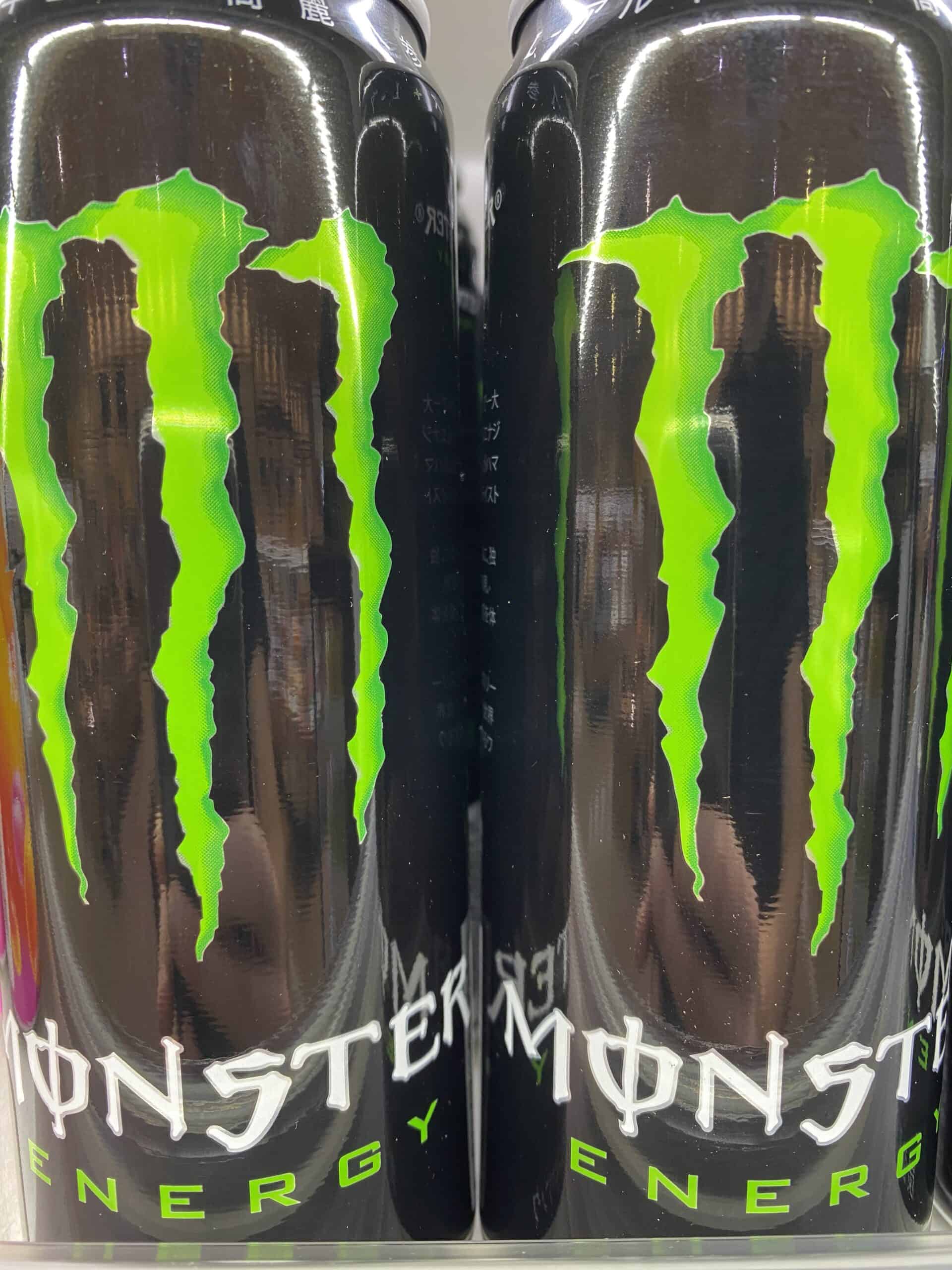
Now, let's take a closer look at the caffeine content of Monster Energy, one of the most popular energy drinks on the market.
The caffeine content of Monster Energy drinks can vary depending on the flavor.
Most Monster Energy drinks contain around 160 milligrams of caffeine per 16-ounce serving; some coffee-based ones go up to 300 mg.
Here is a list of the caffeine content in some common Monster Energy flavors:
- Original Monster Energy: 160 milligrams (16 oz)
- Monster Rehab: 160 milligrams (15.5 oz)
- Monster Hydro: 188 milligrams (25.4 oz)
- Java Monster 300: 300 milligrams (15 oz)
Of course, these numbers will vary depending on the size of the can.
Also, some Monster Energy drinks may contain additional caffeine from other sources, such as guarana or yerba mate.
Here is a table comparing the caffeine content in Monster Energy to the other five most popular energy drinks:
| Energy drink | Caffeine content (mg per serving) |
| Red Bull | 151 mg per 16-ounce (473 ml) can |
| Monster Energy | 160 mg per 16-ounce (473 ml) can |
| Bang Energy | 300 mg per 16-ounce (473 ml) can |
| Rockstar Energy | 160 mg per 16-ounce (473 ml) can |
| Reign | 300 mg per 16-ounce (473 ml) can |
Red Bull and Rockstar have about the same caffeine content as Monster Energy drinks, while Reign and Bang Energy have about twice that amount.
Energy drinks vs. brewing your own coffee
Consuming energy drinks and brewing your own coffee are probably the two most popular ways to get a caffeine boost.
However, there are some key differences between these two sources of caffeine that you should consider when deciding which option is best for you.
Cost
Energy drinks are often more expensive than brewing your own coffee at home, especially if you drink a lot of them.
If you prefer energy drinks because of their convenience, I wrote an article about the easiest ways to make cold brew coffee at home that may just change your mind.

Control
Brewing your own coffee at home allows you to control the ingredients and strength (caffeine content) of your coffee, which can be particularly useful if you have dietary restrictions or preferences.
For example, you can easily customize your coffee with alternative milk, such as almond or soy, or sweeteners like honey or maple syrup.

You can also adjust the strength of your coffee to suit your individual tastes and needs.
Customizability
Brewing your own coffee at home allows you to control the ingredients and strength of your coffee, offering more flexibility in terms of flavor.
There is a wide variety of coffee beans and roasts available, allowing you to experiment with different types to find the flavors that you enjoy the most.

In contrast, energy drinks only have a few flavors you can choose from, and you have no control over how they're made.
Convenience
While energy drinks are widely available at convenience stores, gas stations, and supermarkets, brewing your own coffee at home can be just as convenient once you have the necessary equipment and ingredients.
With a coffee maker and a stash of your favorite beans, you can easily brew a cup of coffee whenever you need it.

Moreover, brewing your own coffee at home can save you time and money, as you won't need to make a separate trip to a coffee shop or store.
Learn more about caffeine content
Want to know how much caffeine is in other drinks? Here are a few related articles I'd recommend:
- How Much Caffeine Is in Coke Zero (Is It More Than Coffee?)
- How Much Caffeine Is in Mountain Dew? (Caffeine Chart)
- How Much Caffeine Is in a Cup of Coffee? (2026 Data)
Conclusion
The caffeine content of Monster Energy drinks can vary depending on the specific flavor and size, but most flavors contain approximately 160 milligrams of caffeine per 16-ounce serving.
This is more than the caffeine content of a regular cup of coffee, which typically contains around 80 milligrams per 8-ounce serving.
However, it's below the caffeine level found in some other energy drinks.
While energy drinks can be a convenient source of caffeine, brewing your own coffee at home can save you money.
Coffee recipes to try
Have a look below for some of my favorite coffee recipes you can make at home:


