

Wondering how much caffeine is in Coke Zero compared to other sodas?
Coke Zero is a sugar-free alternative to regular Coca-Cola, but does it still contain caffeine?
The short answer: Yes, Coke Zero has caffeine, but less than a cup of coffee.
Quick Answer: How much caffeine is in Coke Zero?
Coke Zero contains 34 milligrams of caffeine per 12-ounce (355 ml) can in the United States. This amount is similar to regular Coca-Cola and significantly lower than an average 8-ounce cup of coffee, which typically contains 80-100 milligrams of caffeine. A caffeine-free version is also available.
Use my Coke Zero caffeine checker below to quickly estimate how much caffeine you're getting from your cans of Coke Zero and daily coffee:
Keep reading this guide for a full breakdown of how Coke Zero's caffeine compares to coffee and other sodas, and what that means for your energy and sleep!

Coffee vs. Coke Zero: Which has more caffeine?
Coffee has a higher caffeine content than Coke Zero.
But how much caffeine is there in Coke Zero in comparison to coffee?
An 8-ounce cup (237 ml) of coffee contains approximately 80 to 100 milligrams of caffeine, which can vary slightly between different coffee brands.
Conversely, Coke Zero's 12-ounce (355 ml) serving contains about 34 milligrams of caffeine, compared to about 21 milligrams in an 8-ounce (237 ml) serving.
Here's a quick overview to compare the caffeine content of Coke Zero to coffee and tea:
| Beverage | Caffeine |
| Green Tea (8 oz) | 25 - 30 mg |
| Coke Zero (12 oz) | 34 mg |
| Regular Coca-Cola (12 oz) | 34 mg |
| Espresso (per shot) | 64 mg |
| Black Coffee (8 oz) | 80 - 100 mg |
Still, some coffee brands contain lower amounts of caffeine in their products, particularly if they are decaffeinated.
And to help you compare even better, here's how Coke Zero stacks up against other popular sodas:
| Beverage | Caffeine (12 oz can) |
| Coke Zero | 34 mg |
| Regular Coca-Cola | 34 mg |
| Diet Coke | 46 mg |
| Pepsi Zero Sugar | 69 mg |
| Sprite, Fanta (Caffeine-Free Sodas) | 0 mg |
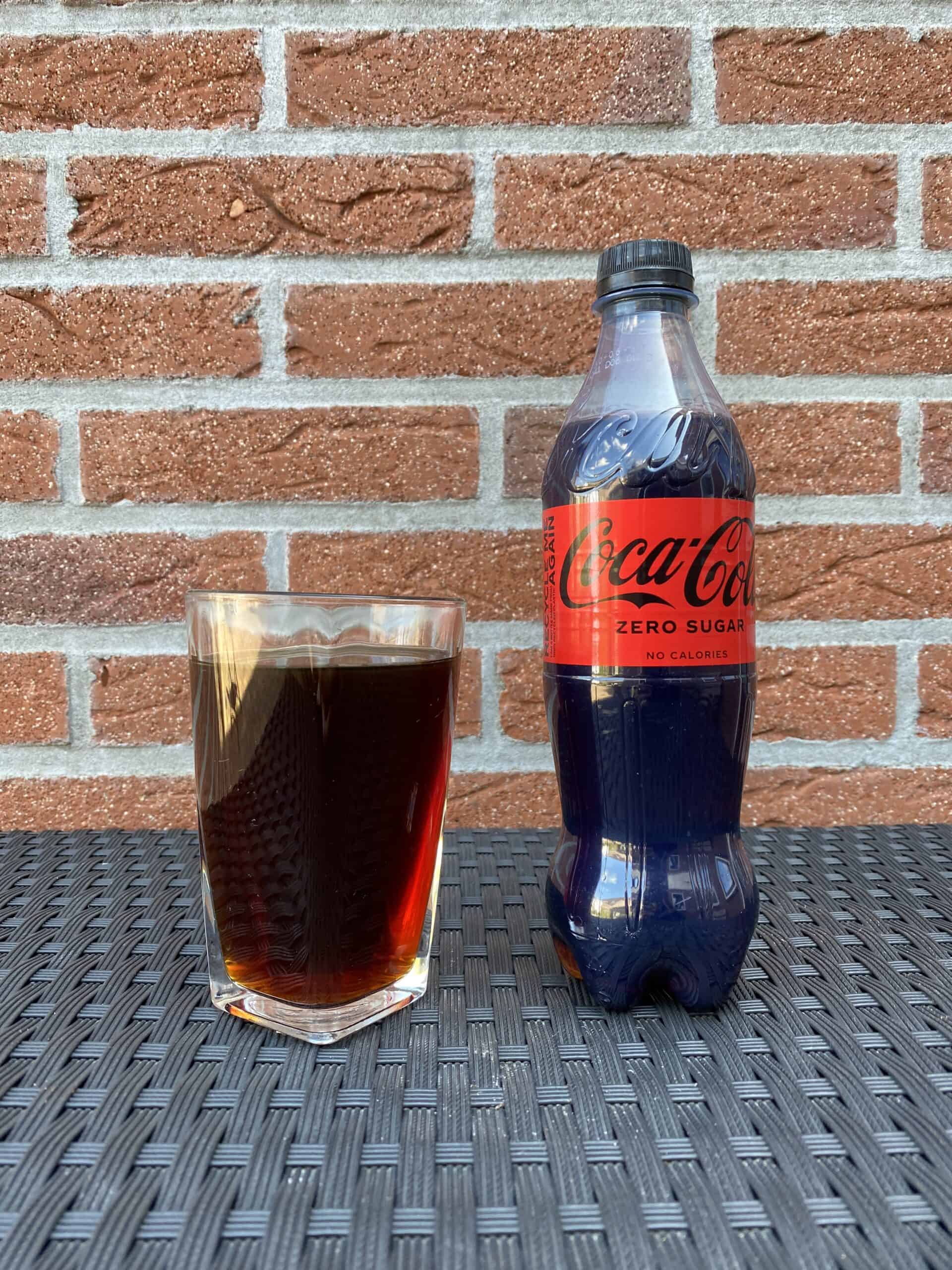
Coke Zero compared to different types of coffee
While Coke Zero generally has less caffeine than a typical cup of coffee, the comparison still depends on your coffee-drinking habits.
“Thanks for the article on how much caffeine is too much in a day!”
Decaf coffee
The average instant decaffeinated coffee contains only about 2 milligrams of caffeine per 8-ounce (237 ml) serving.
Nestle's Milo, on the other hand, contains approximately 4 milligrams of caffeine in an 8-ounce (237 ml) serving.
Some restaurants' coffee-based beverages contain slightly more caffeine than instant decaf, but are still lower in caffeine than Coke Zero. All caffeine content figures are for 8-ounce servings.

Fast food coffee
Fast food coffee typically contains low to moderate levels of caffeine. Arby's Jamocha Shake, for example, only carries about 6 milligrams of caffeine.
On the other hand, Starbucks decaf coffee has a surprisingly high 12 milligrams of caffeine.
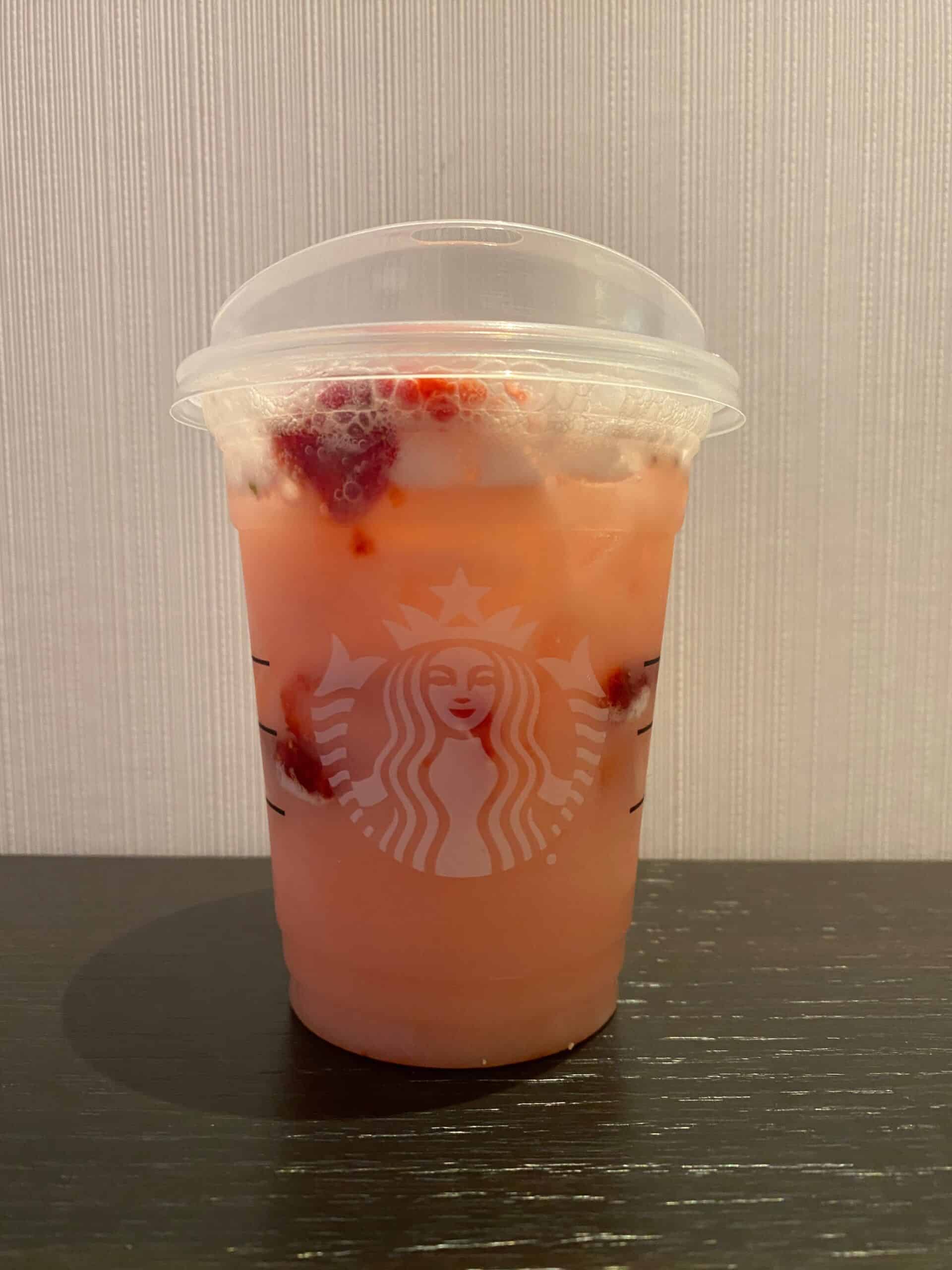
Even seemingly low-caffeine beverages at Starbucks, such as the Pink Drink and Refreshers, contain around 22 milligrams of caffeine (for a short cup size), which is roughly equivalent to that of Coke Zero.
However, the caffeine content of all products mentioned so far is still considered low compared to other coffee products that are specifically designed to provide energy boosts to their consumers.
Instant coffee
The average instant coffee contains about 57 milligrams of caffeine. While that's more caffeine than Coke Zero, it's still lower than other types of coffee.

For example, Nescafé's 3-in-1 Instant Coffee carries around 67 milligrams of caffeine.
Some coffee shop beverages also have lower caffeine content, such as Dunkin' Donuts' Dunkaccino, which contains only about 48 milligrams.
Dalgona coffee, which has gained popularity over the past few years, has a relatively high caffeine content, at 105 milligrams.
Regular coffee
While a lot stronger than Coke Zero, these caffeine content figures are still considered moderate.
However, with regular coffee and more traditional coffee beverages, the difference becomes starker.

Starbucks' cold brew, for example, contains about 104 milligrams of caffeine, while Dunkin' Donuts' brewed coffee has about 210 milligrams.
Make your coffee taste less bitter
Creamers and sugar are typically the best options for removing bitterness from your coffee.
Besides bringing out the sweetness, removing the bitterness helps your tongue focus on the other flavors in coffee.
One of my personal favorites is vanilla extract. Vanilla pairs well with almost everything, particularly coffee!
You can also experiment with other natural sweeteners, such as honey.

Another option is to add salt if you don't mind that extra layer of complexity in your drink.
You can also add cinnamon for an earthy, exotic flavor or mint for an extra kick of freshness.

For the creamer, you can use soy milk, oat milk, or almond milk as a substitute.
These can neutralize bitterness, and each has its own flavors you can experiment with.
You can also make your drinking experience much more enjoyable by pairing it with your favorite pastry.
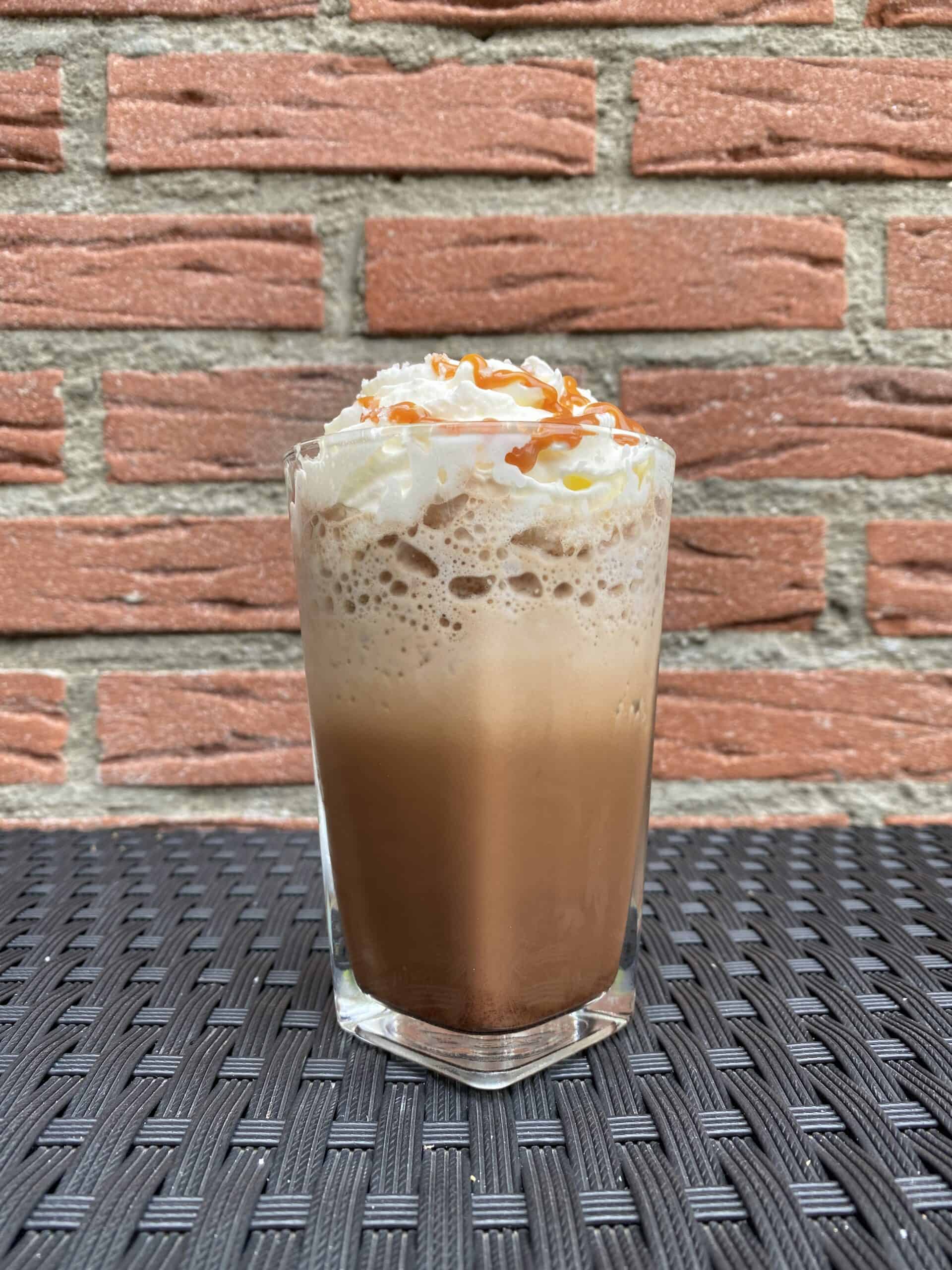
If you want to treat yourself or are taking a break from your diet, try this recipe for a salted caramel mocha Frappuccino. Believe me, it won't disappoint.
FAQs about Coke Zero and caffeine
Before I close off this article, let's quickly go over a few key questions people have when researching the caffeine content in Coke Zero.
Who knows, maybe this will answer one of the questions you had as well!
Is Coke Zero caffeine-free?
No. Coke Zero contains caffeine; however, a caffeine-free version is also available.
Is Coke Zero a good alternative to coffee for caffeine?
Coke Zero has caffeine, but significantly less than coffee. A regular cup of coffee has about three times more caffeine than a can of Coke Zero.
Does Coke Zero have the same caffeine as Diet Coke?
No. Coke Zero has 34 mg of caffeine per 12 oz can, while Diet Coke has 46 mg per 12 oz can.
Conclusion
Now you know exactly how much caffeine is in Coke Zero!
Do you prefer Coke Zero, Diet Coke, or regular Coca-Cola? Let me know in the comments.
And I hope that the caffeine checker at the start of the article was helpful for you!
Learn more about caffeine content
Curious about the caffeine levels in other drinks? Check out my other guides here:


